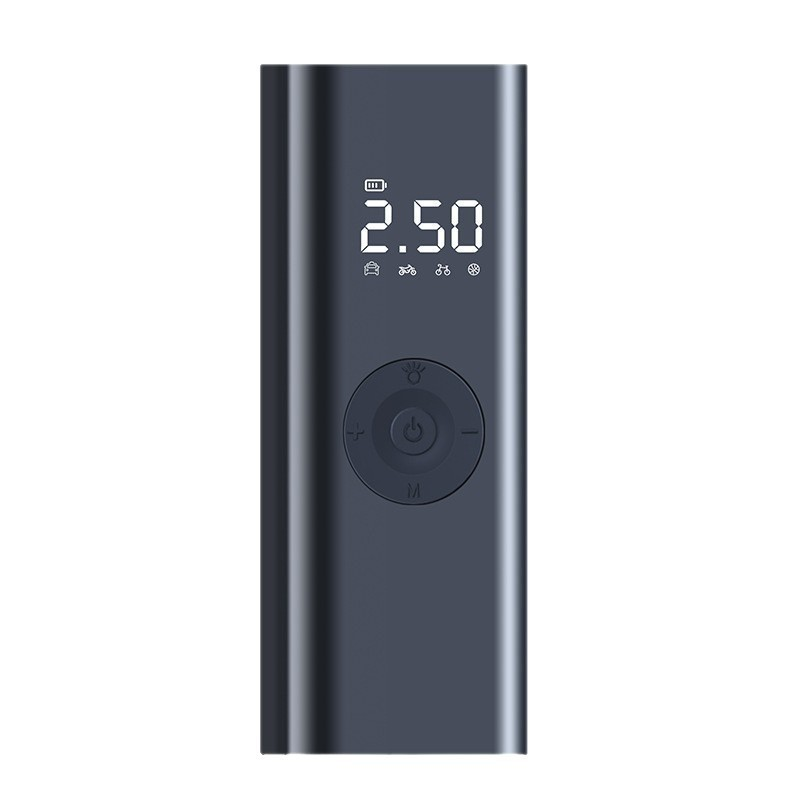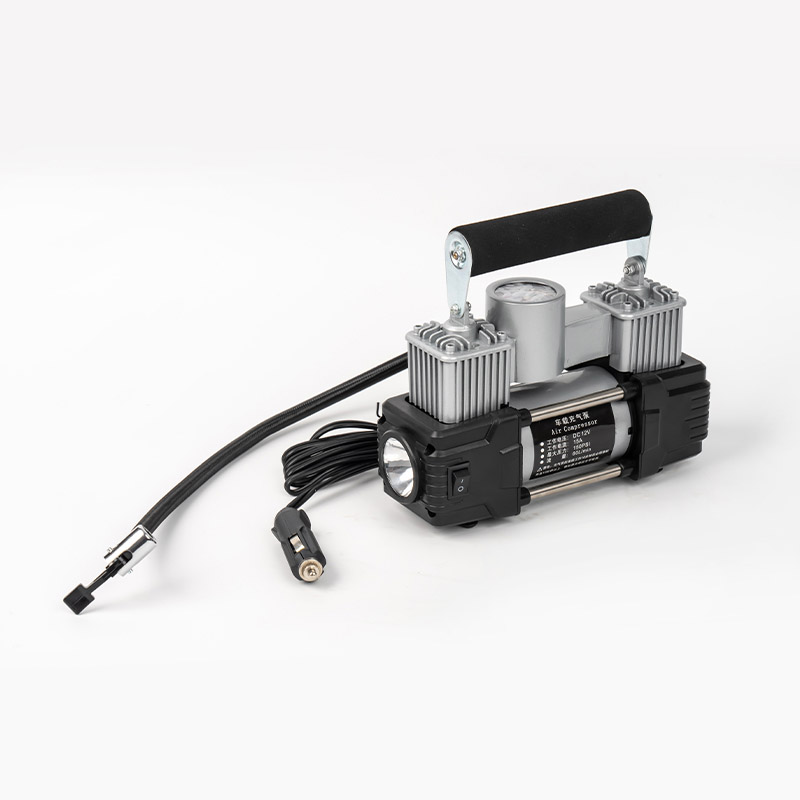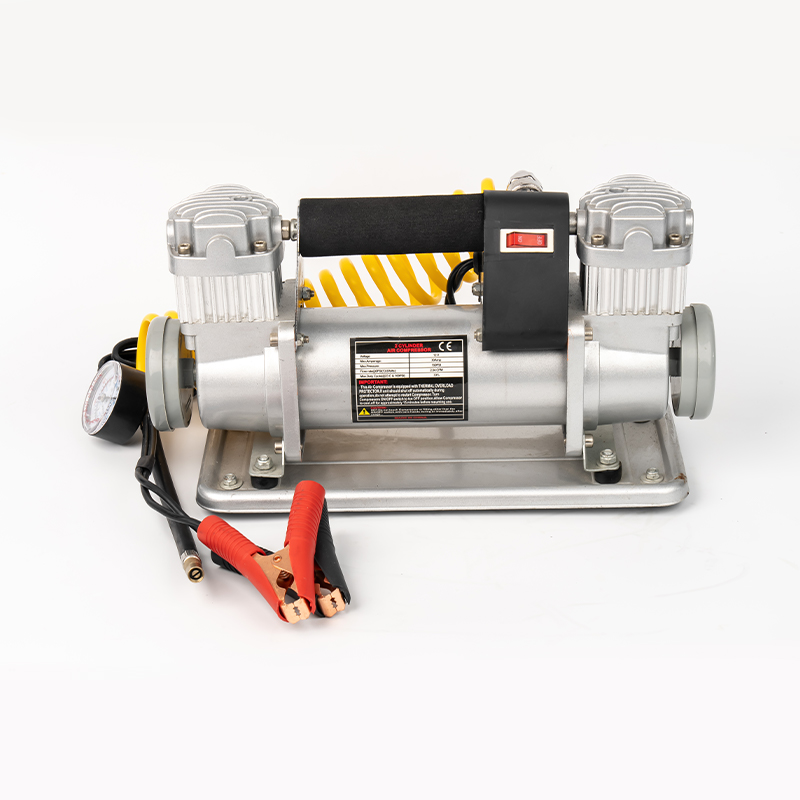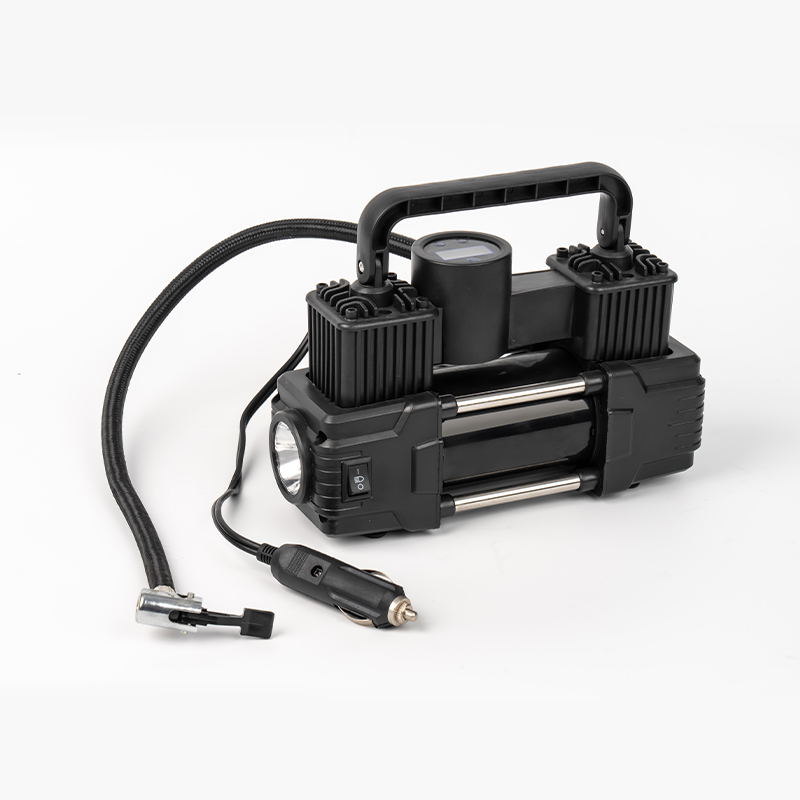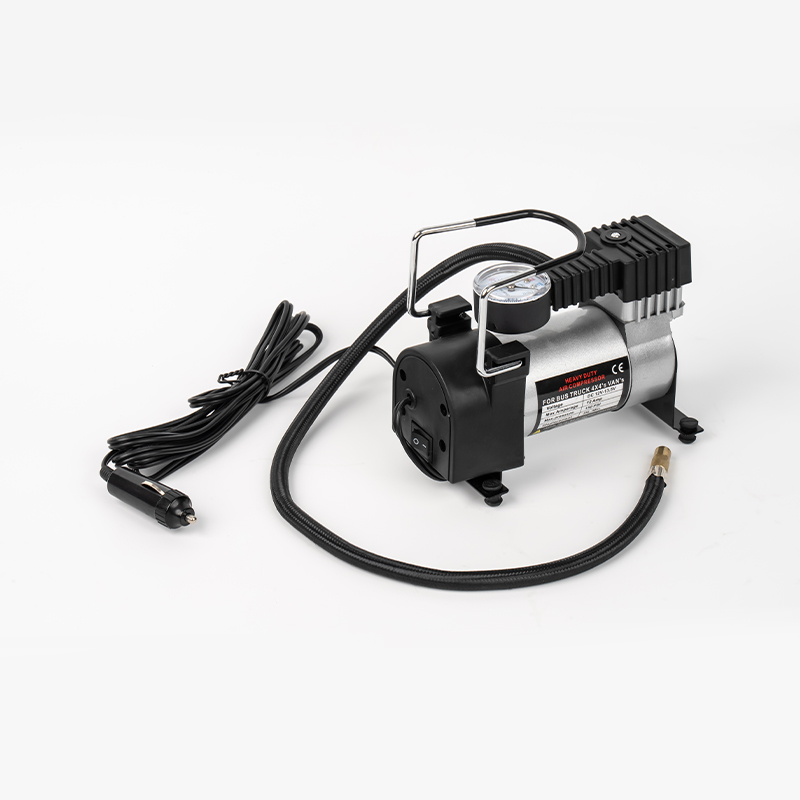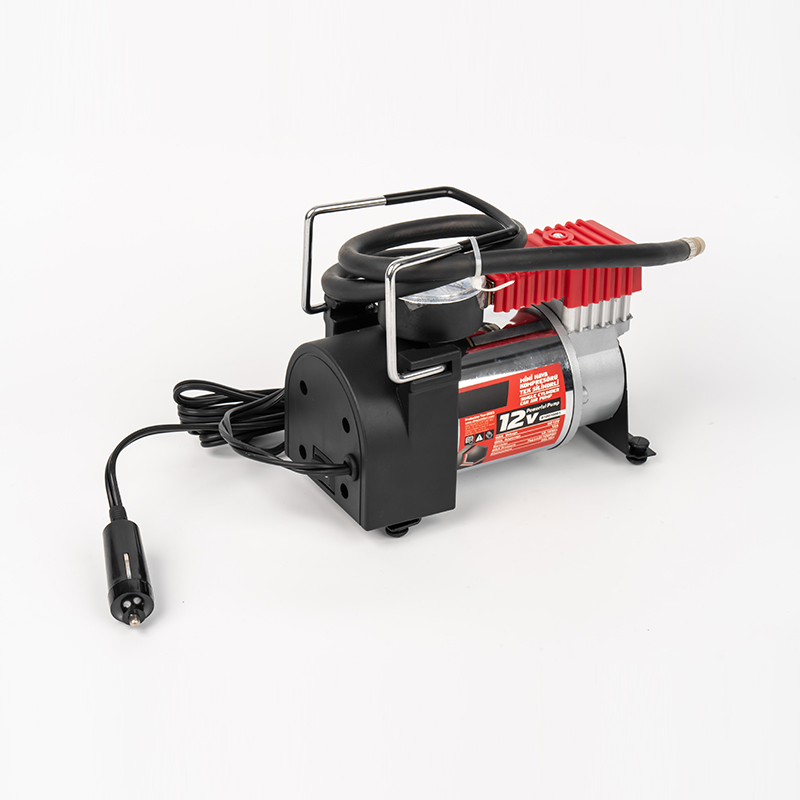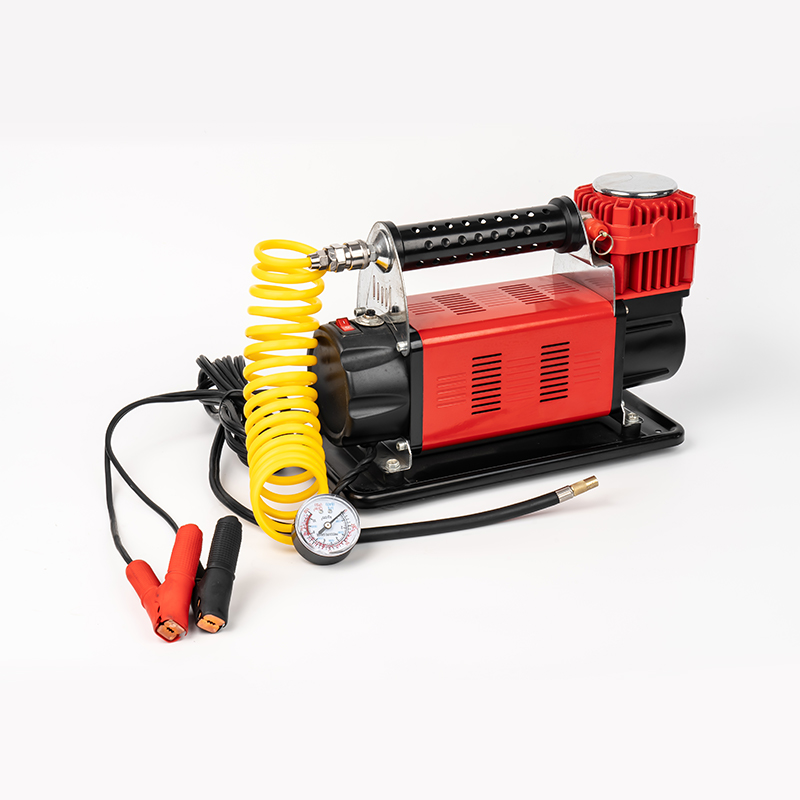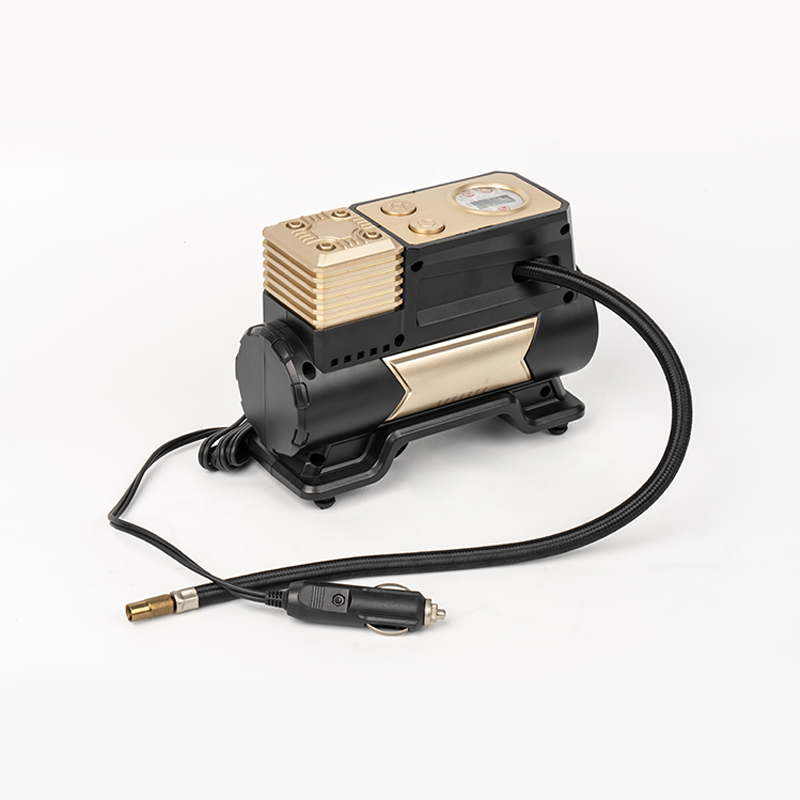
Má rinne tú iarracht riamh bonn rothar bóthair a phumpáil go 120 PSI le caidéal láimhe, tá a fhios agat cén fáth go bhfuil comhbhrúiteoir aeir iniompartha le haghaidh boinn rothair tar éis éirí ina uirlis chaighdeánach. Is caidéal leictreach dlúth é comhbhrúiteoir aeir iniompartha le haghaidh boinn rothair a sheachadann aer ardbhrú, suas le 150 PSI de ghnáth, trí hose le adapters Presta agus Schrader. Is féidir leis thart ar 10 PSI a chur le bonn rothair i thart ar 15 soicind, stopadh ag brú réamhshocraithe, agus luí i mála diallait nó backpack.
Is é an chúis is mó le ceann a iompar simplí: is é brú na mbonn ceart an t-uasghrádú feidhmíochta is saoire agus is éifeachtaí le haghaidh rothar. Rollaíonn boinn tearcbhoilscithe níos moille, méadaítear an riosca pollta, agus bíonn an láimhseáil doiléir. Laghdaíonn boinn ró-bhoilscithe tarraingt agus compord. Baineann comhbhrúiteoir iniompartha an iarracht fhisiceach a bhíonn go minic ar an mbealach chun brú a sheiceáil roimh thiomána.
Cén fáth a Úsáid Comhbhrúiteoir Aeir Inaistrithe le haghaidh Boinn Rothar?
Tagann na buntáistí síos ar luas, cruinneas, agus áisiúlacht, agus bíonn tionchar díreach ag gach ceann ar chaighdeán do thiomána.
- Luas: is féidir le comhbhrúiteoir beag leictreach bonn bóthair a insreabhadh ó 80 go 100 PSI i thart ar 20 soicind, atá níos tapúla ná an chuid is mó de na caidéil láimhe.
- Cruinneas: cuireann tomhasairí digiteacha agus stadanna brú réamhshocraithe cosc ar thearc-bhoilsciú nó ró-bhoilsciú, atá úsáideach go háirithe ar bhoinn le fuinneoga cúnga PSI.
- Neamhspleáchas: ní gá duit píobán aeir stáisiún gáis, cara le caidéal urláir, nó siúlóid fhada abhaile tar éis puncture mall.
- Ilúsáide: is féidir leis an aonad céanna boinn rothair, liathróidí, boinn gluaisrothar, agus uaireanta boinn ghluaisteáin a láimhseáil, rud a fhágann gur chompánach taistil praiticiúil é.
Toisc gur annamh a bhíonn gá le líon mór aeir ar rothair ach go mbíonn brú ard ag teastáil uathu go minic, ní mór an inaistritheacht boilsceoirí boinn feithicleach tar éis éirí mar thosaíocht dearaidh: déanann mótair níos lú, cadhnraí níos éadroime, agus comhlachtaí dlútha anois go bhfuil sé praiticiúil comhbhrúiteoir a iompar ar an rothar.
Cineálacha Comhbhrúiteoirí Aeir Inaistrithe le haghaidh Boinn Rothar
Titeann comhbhrúiteoirí boinn rothair iniompartha i dtrí phríomhchatagóir: litiam gan sreang, 12V corda, agus samhlacha ilfheidhmeacha.
| Cineál | Foinse Cumhachta | Úsáid is Fearr | Gnáthbhrú Max |
|---|---|---|---|
| Litiam gan sreang | Ceallra rechargeable inmheánach | Rian, taisteal, agus barr-offs tapa | 100–150 PSI |
| 12V corda | Soicéad feithicle nó gearrthóg ceallraí | Úsáid cois bóthair nuair a bhíonn carr in aice láimhe | 120–150 PSI |
| Ilfheidhmeach | Cumhacht ceallraí nó feithicle | Rothar, liathróidí, boinn cairr, agus aer éigeandála | 100–150 PSI |
De ghnáth is samhlacha litiam gan sreang na cinn is éasca a iompar ar an rothar toisc nach bhfuil cábla ann. Más fearr leat aonad in-athluchtaithe, beidh an Comhbhrúiteoir aeir mion digiteach SX301 Is sampla dlúth é de bhoilsciú tapa agus cumas mór ceallraí le haghaidh barr-dícheangail arís agus arís eile bonn.
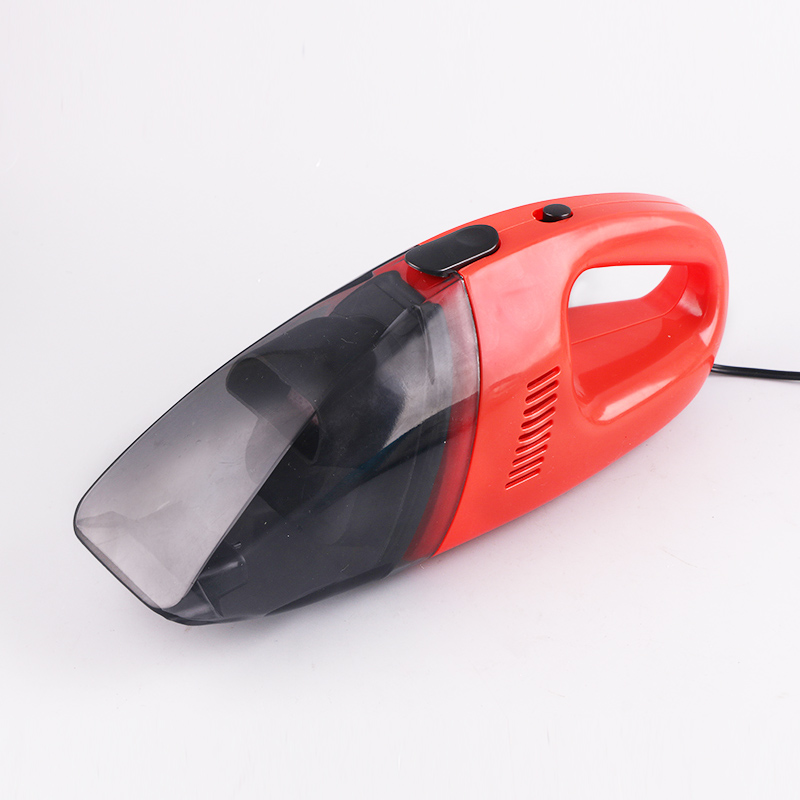 Saincheaptha SX-301 Comhbhrúiteoir aeir mion digiteach, boilsciú tapa agus caipín ceallraí mór Mar chomhbhrúiteoir aeir mion tSín SX-301 Digiteach, boilsciú tapa agus soláthróir cumas mór ceallraí agus SX-301 comhbhrúiteoir aeir mion Digiteach,... Féach Táirge →
 Príomh-Sonraíochtaí Comparáide
Is é an tsonraíocht is tábhachtaí maidir le boinn rothair ná brú uasta; roghnaigh comhbhrúiteoir rátáil ag 120 PSI nó níos airde, agus tugann 150 PSI spás stórála úsáideach do bhoinn bóthair chomh maith le húsáid éigeandála bonn gluaisteán.
| Cineál Rothar | Raon tipiciúil PSI | Nótaí |
|---|---|---|
| Rothar bóthair | 80–130 PSI | Brú níos airde le haghaidh boinn chaol agus marcaigh níos troime |
| Gairbhéal / ciorróis | 40–70 PSI | Feabhsaíonn brú níos ísle compord agus tarraingt |
| Rothar sléibhe | 25–50 PSI | Ag brath ar leithead na mbonn, an tír-raon, agus socrú tubeless |
| Hibrid / comaitéireacht | 50–70 PSI | Déanann sé luas, compord agus friotaíocht puncture a chothromú |
Tá an oiread céanna tábhachta ag baint le sonraíochtaí eile, go háirithe má tá sé ar intinn agat an comhbhrúiteoir a úsáid le haghaidh níos mó ná rothar amháin:
- Ráta sreafa: tomhaiste i lítear in aghaidh an nóiméid; líonann sreabhadh níos airde boinn mhóra níos tapúla ach níl sé chomh ríthábhachtach do bhoinn rothair caola.
- Cumas ceallraí: cuardach a dhéanamh ar cheallraí litiam is féidir a láimhseáil roinnt seisiún boilscithe sula mbeidh gá le muirear.
- Timthriall dualgais: déantar go leor mion-chomhbhrúiteoirí a rátáil lena n-úsáid go ham, mar shampla 10 nóiméad ar aghaidh agus 20 nóiméad as.
- Cruinneas tomhsaire: is gnách go mbíonn tomhsaire digiteach níos comhsheasmhaí ná snáthaid analógach, agus cuidíonn feidhm stad uathoibríoch le ró-bhoilsciú a sheachaint.
- Adapters comhla: Ba cheart comhoiriúnacht Presta agus Schrader a thógáil isteach nó a áireamh, gan a dhíol ar leithligh.
Le húsáid uileghabhálach, beidh an Comhbhrúiteoir aeir cruth miondiosca digiteach SX213 le haghaidh rothar, liathróid agus bonn cairr Is múnla beag é a chlúdaíonn níos mó ná boinn rothair amháin, atá áisiúil do gharáiste teaghlaigh nó do chomaitéirí laethúil.
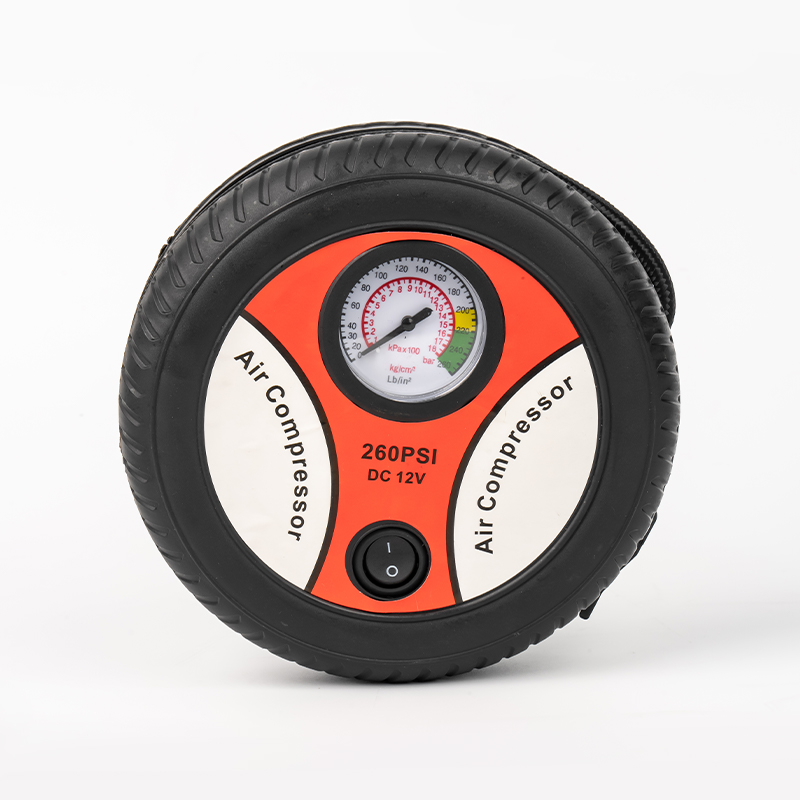 Saincheaptha SX-213 Comhbhrúiteoir aeir cruth miondiosca digiteacha le haghaidh rothar, liathróidí agus boinn cairr Mar chomhbhrúiteoir aeir cruth miondiosca Digiteach tSín SX-213 le haghaidh rothar, liathróid agus soláthróir boinn gluaisteán agus SX-213 Digiteach cruth miondhiosca cruth aeir com... Féach Táirge →
 Comhoiriúnacht Comhla: Presta vs Schrader
Comhoiriúnacht comhla is ea na sonraí a scarann caidéal a oibríonn ó cheann a sceitheann aer ag an nasc.
- Comhlaí Schrader an stíl chéanna a úsáidtear ar bhoinn charranna. Tá siad coitianta ar rothair faoi bhrú níos ísle mar rothair leanaí agus go leor rothair sléibhe.
- Comhlaí Presta tá siad níos tanaí, tá cnó glas orthu, agus tá siad caighdeánach ar bhóthar, gairbhéal, agus feadáin rothar sléibhe ardleibhéil.
- Tiontairí agus cuibheoirí lig ceann comhbhrúiteora an dá chineál a fheistiú, ach ní mór don cheann comhla séala daingean a chruthú sula dtosaíonn an caidéal.
Cuireann roinnt comhbhrúiteoirí dlúth extras úsáideacha timpeall na comhla agus taithí marcaíochta. Tá an Comhéadan muirir USB SX303 Comhbhrúiteoir aeir éadrom faoi stiúir , mar shampla, péireáil boilsciú ardbhrú le calafort USB agus solas, rud a chabhraíonn nuair a bhíonn árasán á shocrú ag dusk. Maidir le marcaigh a bhfuil carr acu cheana féin, is í an cheist phraiticiúil ná an bhfuil Oibríonn boilsceoirí boinn feithicleach do ghluaisrothair agus do rothair ; is gnách go bhfuil an freagra, chomh fada agus go bhfuil an PSI uasta ard go leor agus go bhfuil an t-adapter comhla ceart ar fáil.
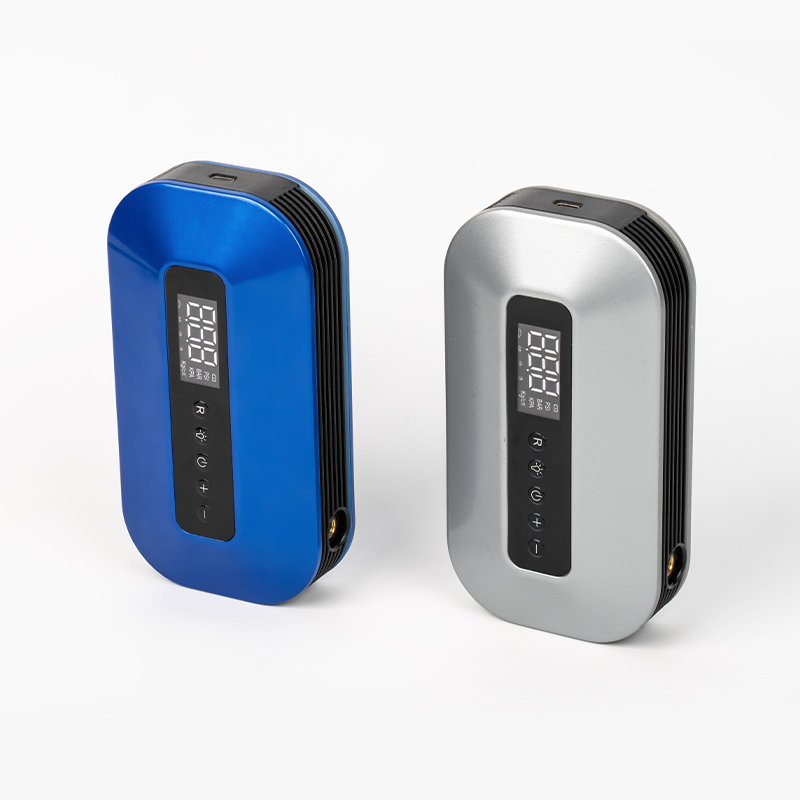 Comhéadan luchtaithe USB saincheaptha SX-303 / Soláthraithe comhbhrúiteoir aeir éadrom faoi stiúir, OEM / ODM Mar chomhéadan luchtaithe USB tSín SX-303 / soláthróir comhbhrúiteoir aeir éadrom faoi stiúir agus comhéadan luchtaithe USB SX-303 / Comhbhrúiteoir aeir solais LED OEM ... Féach Táirge →
 Conas Comhbhrúiteoir Boinn Rothar Inaistrithe a Úsáid i gceart
Tá an t-ord ceart simplí: socraigh an spriocbhrú, ceangail an t-adapter comhla ceart, agus inflate i seiceálacha gearra.
- Seiceáil an PSI molta clóite ar bhalla taobh na mbonn; nach mó ná an t-uasmhéid.
- Díscriú caipín na comhla agus glas ceann an chomhbhrúiteora ar an gcomhla ionas nach n-éalaíonn aer.
- Socraigh an brú atá ag teastáil ar an taispeáint dhigiteach nó féach ar an tomhsaire go cúramach.
- Tosaigh an comhbhrúiteoir agus lig dó rith go dtí go mbaintear amach an spriocbhrú; le múnla auto-stad, stopann an caidéal é féin.
- Bain an ceann, cuir an caipín comhla in áit, agus seiceáil brú tapa le tomhas ar leith más mian leat muinín breise.
Chun na torthaí is fearr a fháil, seiceáil brú na mbonn nuair a bhíonn an bonn fuar. Ardaíonn teas ó marcaíocht brú beagán, agus má dhéantar seiceáil díreach tar éis turas is féidir leat an iomarca aeir a ligean amach ar cíos.
Botúin Choiteanna agus Breithnithe Sábháilteachta
Tagann formhór na bhfadhbanna le comhbhrúiteoirí boinn rothair ó ró-bhoilsciú, an t-adapter mícheart, nó an caidéal a rith thar a thimthriall rátáilte dleachta.
- Seachain ró-bhoilsciú: féadann bonn breathnú go breá agus fós a bhrú uasta a shárú. Úsáid an fheidhm stad réamhshocraithe chun é seo a chosc.
- Meas an timthriall dualgais: níl comhbhrúiteoirí beaga iniompartha deartha chun oibriú go leanúnach cosúil le comhbhrúiteoir aeir ceardlainne.
- Úsáid an cuibheoir ceart: Má chuirtear ceann Schrader isteach ar chomhla Presta is féidir croí na comhla a lúbadh nó caillteanas brú arís agus arís eile a chur faoi deara.
- Seiceáil an píobán agus séala: caitheann nasc scaoilte aer agus cuireann sé ar siúl an comhbhrúiteoir níos faide ná mar ba chóir.
- Stóráil samhlacha litiam in áit thirim fhionnuar: is féidir le teas mór saol na ceallraí a ghiorrú agus cur isteach ar chruinneas braite brú.
Má chloiseann tú an mótar ag streachailt nó má mhothaíonn tú go bhfuil an píobán ag éirí te, stop agus lig don aonad fuarú sula leanann tú ar aghaidh.
Ceisteanna Coitianta
An féidir le comhbhrúiteoir aeir iniompartha caidéal urláir a athsholáthar?
Is féidir le haghaidh gnáthaimh barr-uaire agus ceartúcháin lár-turas, ach tá caidéal urláir níos fearr fós chun boinn tiúbacha a shuíochán nó chun líon mór aeir a bhogadh isteach i mbonn mór go tapa.
Cén PSI ba cheart dom a úsáid le haghaidh mo bhoinn rothair?
Úsáid an raon atá clóite ar an mballa taobh agus coigeartaigh do mheáchan marcach: is minic a oibríonn boinn bóthair ag 80-130 PSI, boinn gairbhéil ag 40-70 PSI, agus boinn rothar sléibhe ag 25-50 PSI.
An féidir liom an comhbhrúiteoir céanna a úsáid le haghaidh boinn charranna agus rothair?
Sea, má shroicheann an comhbhrúiteoir an PSI riachtanach do do rothar agus go n-áirítear na hoiriúnóirí cearta. Is iad samhlacha ilfheidhmeacha atá rátáilte go 150 PSI an rogha is solúbtha.
An bhfuil mion-chomhbhrúiteoirí in-athluchtaithe iontaofa lena n-úsáid go laethúil?
Tá siad iontaofa le haghaidh seiceálacha brú laethúil, barr-dícheangail tapa, agus úsáid éigeandála ar rothar. Roghnaigh samhail le cumas ceallraí leordhóthanach agus timthriall dualgas a oireann mar a thiománaíonn tú.
Comhairle Dheiridh
Don chuid is mó de rothaithe, is é mion-chomhbhrúiteoir in-athluchtaithe le tomhas digiteach, stad brú uathoibríoch, agus adapters Presta agus Schrader araon an t-iarmhéid meáchain agus cumais is fearr.
Mura bhfuil tú ag marcaíocht ach timpeall an bhaile agus má bhíonn carr in aice leat i gcónaí, cuireann comhbhrúiteoir corda 12V feidhmíocht mhaith ar fáil ar chostas níos ísle. Má tá sé beartaithe agat an comhbhrúiteoir a iompar ar an rothar nó é a úsáid le haghaidh ilfheithiclí, tugann múnla litiam nó ilfheidhmeach níos mó saoirse duit. Mar mhonaróir le deich mbliana de thaithí i ndearadh inflator boinn, molaimid tosaíocht a thabhairt do PSI uasta, cumas ceallraí, agus comhoiriúnacht comhla thar chumhacht mótair amh.