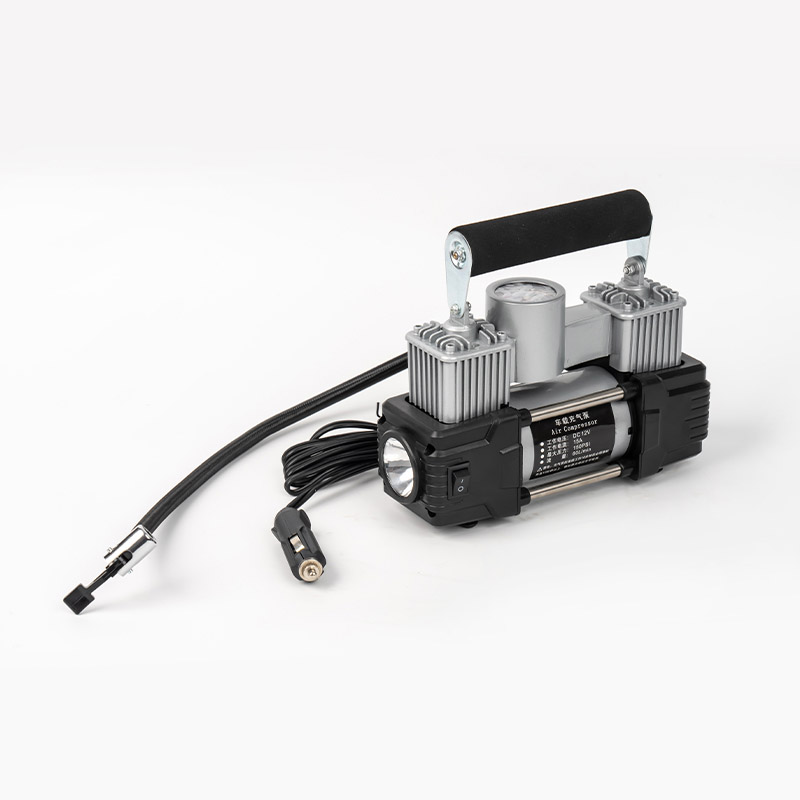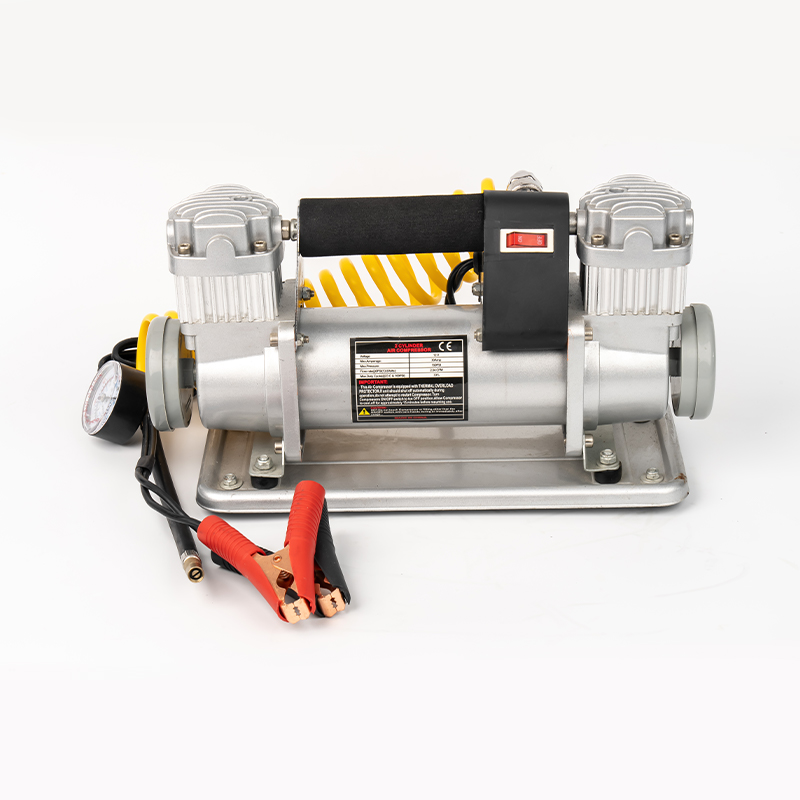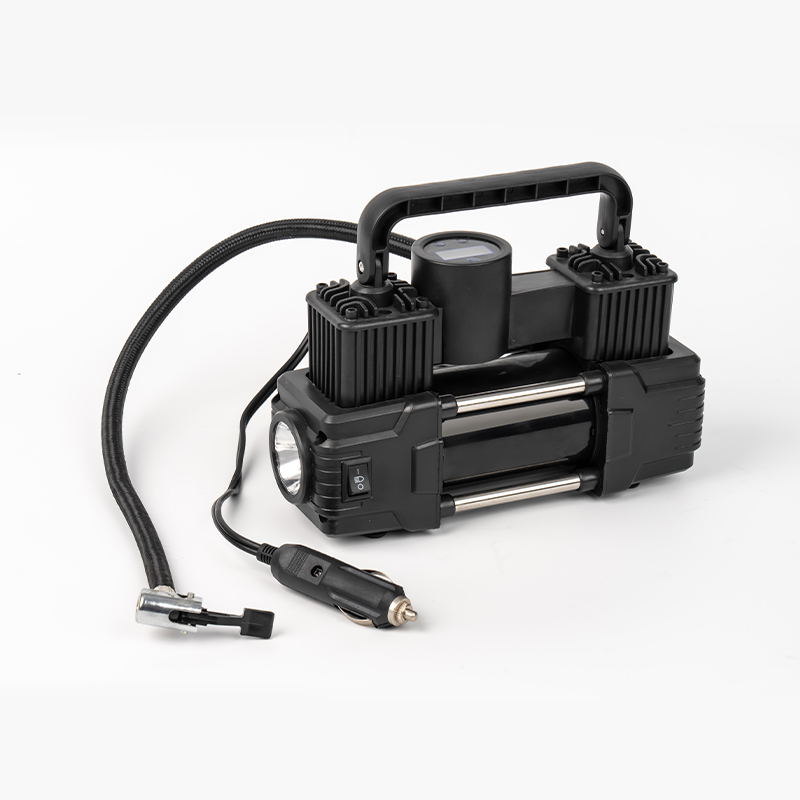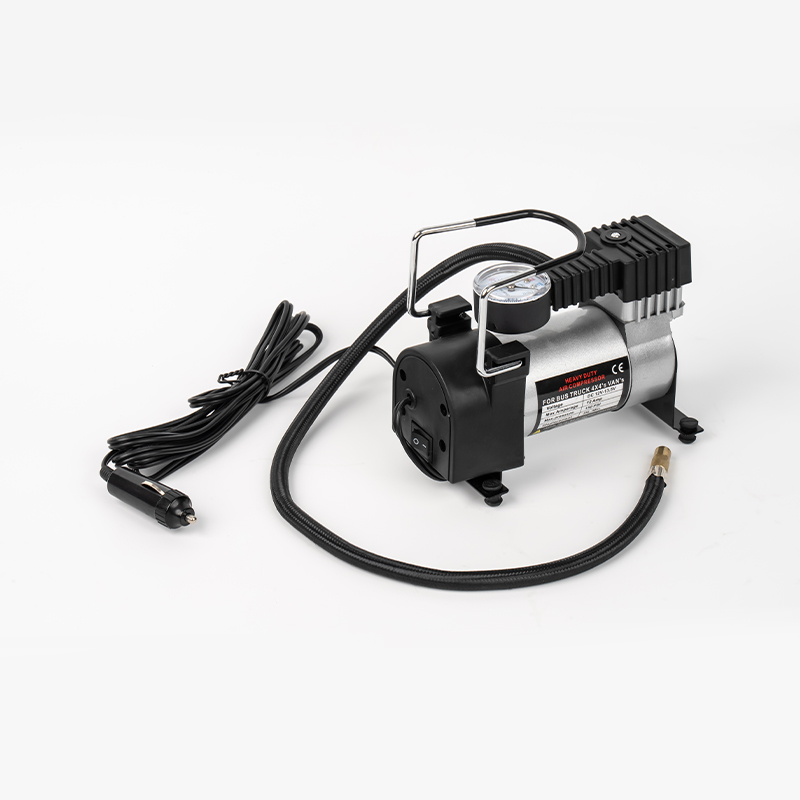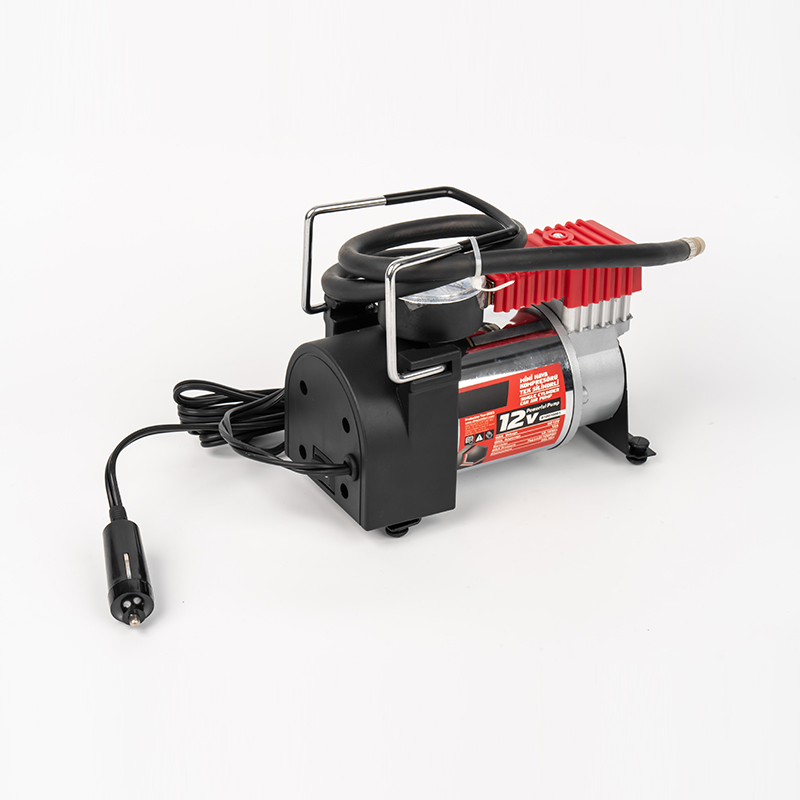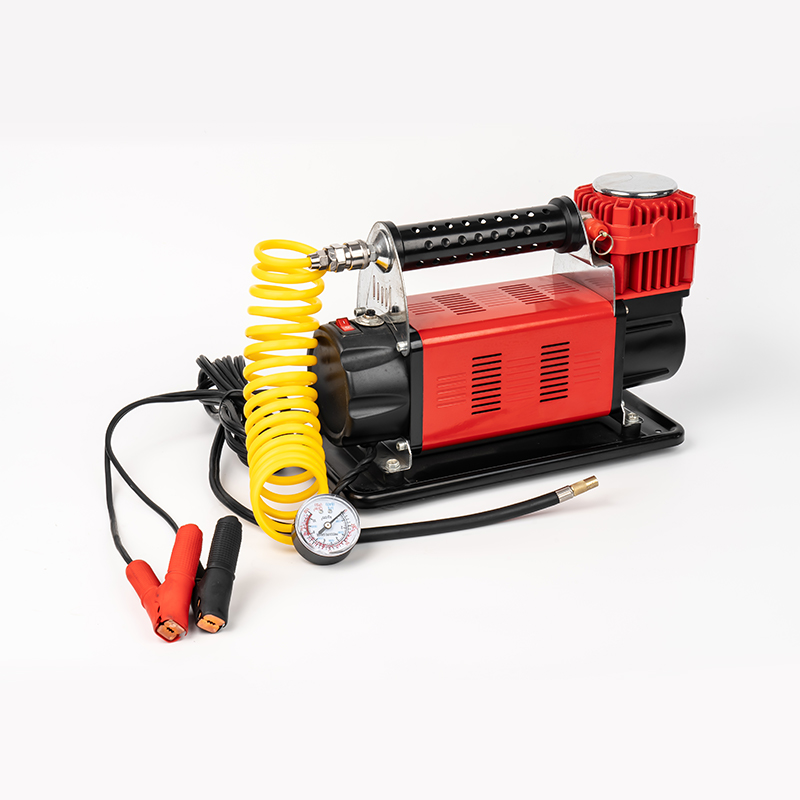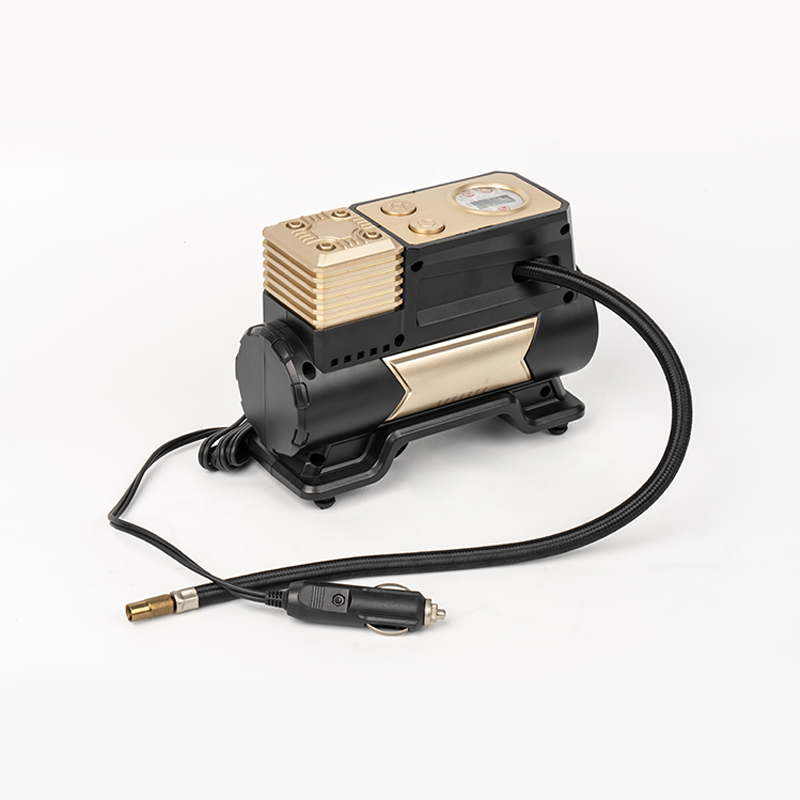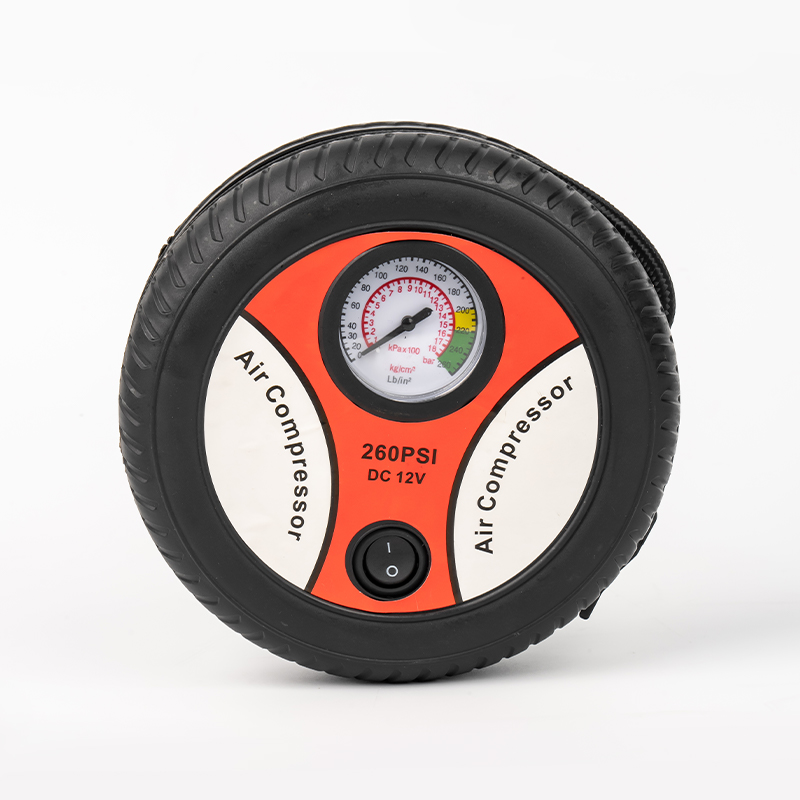
An comhbhrúiteoir aeir ar bord is córas aersholáthair buanfheistithe é atá suiteáilte go díreach ar fheithicil nó ar innealra chun aer comhbhrúite ar éileamh a sholáthar gan gá le haonad seachtrach. Cibé an bhfuil tú ag craoladh boinn easbhóthair, ag oibriú uirlisí neomatacha, nó ag cur taisceadáin aeir i ngníomh, agus córas aeir ar bord a sheachadann áise, luas, agus iontaofacht go díreach nuair agus nuair is gá duit é.
Cad is Comhbhrúiteoir Aeir ar Bord ann?
An comhbhrúiteoir aeir ar bord is aonad aer comhbhrúite féinchuimsitheach é a théann le d’fheithicil i gcónaí – suite faoin gcochall, sa leaba, nó faoin bhfonnadh. Murab ionann agus comhbhrúiteoir iniompartha a iompraíonn tú ar leithligh, tá an córas aeir ar bord chomhtháthaíonn sé isteach i gcóras leictreach nó inneall na feithicle agus tá sé ar fáil i gcónaí ag brú cnaipe nó smeach lasc.
Tá luach ar leith ag baint leis na córais seo ag díograiseoirí easbhóthair, ag taistealaithe thar tír, ag oibreoirí cabhlaigh, agus ag gairmithe tógála a bhfuil gá acu le soláthar iontaofa aeir gan trealamh seachtrach toirtiúil a tharraingt. Ó bhoinn inflating tar éis sraoilleáil carraige go dtí sreafaí tionchair aeir a chumhachtú ag suíomh poist iargúlta, tá an comhbhrúiteoir aeir ar bord anois ina uirlis fíor-riachtanach i dtimpeallachtaí éilitheacha.
Ina chroílár, an comhbhrúiteoir ar bord comhdhéanta de chaidéal (meicníocht sorcóir mótair), umar stórála (roghnach), lasc brú, comhla sábháilteachta, agus feistis asraonta. I measc na múnlaí ardleibhéil tá iomadúil chomhtháite, dé-aschuir, tomhasairí brú digiteacha, agus cosaint múchta uathoibríoch.
Conas a Oibríonn Comhbhrúiteoir Aeir Ar Bord?
An comhbhrúiteoir aeir ar bord tarraingíonn sé cumhacht ó cheallraí nó malartóir na feithicle agus comhbhrúíonn sé aer comhthimpeallach trí úsáid a bhaint as loine nó meicníocht rothlach chun aer brú a sheachadadh trí hose nó iomadúil. Leanann an prionsabal oibre ceithre eochairchéim:
- Iontógáil: Téann aer comhthimpeallach isteach trí scagaire iontógáil.
- Comhbhrú: Comhbhrúíonn meicníocht loine mótair-tiomáinte nó dhá shorcóir an t-aer go dtí an PSI atá ag teastáil.
- Stóráil (roghnach): Stóráiltear aer comhbhrúite i umar ar bord le haghaidh seachadadh pléasctha.
- Seachadadh: Sreabhann aer trí asraon brú-rialaithe chuig an bhfeidhmchlár - bonn, uirlis, nó taisceadán aeir.
an chuid is mó Comhbhrúiteoirí aeir 12V ar bord tarraingíonn siad idir 15-40 amps agus féadann siad 100-150 PSI a ghiniúint, agus is féidir le samhlacha tromshaothair 24V nó inneall-tiomáinte dul thar 200 PSI le haghaidh feidhmeanna tionsclaíocha. Rothlaíonn lasc brú an comhbhrúiteoir ar aghaidh agus amach go huathoibríoch chun an raon inmhianaithe a choinneáil, ag cosaint an aonaid agus an fheidhmchláir araon.
Cineálacha Comhbhrúiteoirí Aeir Ar Bord
An ceart a roghnú comhbhrúiteoir aeir ar bord Tosaíonn sé le tuiscint a fháil ar na príomhchineálacha agus a saintréithe oibriúcháin.
1. Comhbhrúiteoirí Loine Sorcóir Aonair
An leibhéal iontrála is coitianta córas aeir ar bord , oiriúnach le haghaidh boilsciú boinn agus úsáid dleachta éadroma. Dlúth, inacmhainne, agus éasca le suiteáil. De ghnáth rátáilte ag 1.0–1.5 CFM agus 100–150 PSI. Is fearr do thrucailí éadroma, SUVanna, agus do lucht seachbhóthair deireadh seachtaine.
2. Comhbhrúiteoirí Twin-Sorcóir (Dé-loine).
Tairiscintí rátaí líonta i bhfad níos tapúla (2.0-4.0 CFM) agus aschur marthanach níos airde. Dhá-sorcóir comhbhrúiteoir aeir ar bords rith níos fuaire agus mairfidh siad níos faide faoi rothaíocht throm, rud a fhágann gurb iad an rogha is fearr le haghaidh daoine thar tír mór agus iad siúd a úsáideann taisceadáin aeir nó uirlisí aeir go minic.
3. Comhbhrúiteoirí Innill-tiomáinte Eabhrac/Sanden
Comhbhrúiteoirí AC feithicleacha (stíl Eabhrac nó Sanden) arna dtiomáint ag crios serpentine an innill. Táirgeann siad seo sruth aeir thar a bheith ard - foirfe d'uirlisí aeroibrithe agus taisceadáin aeir - ach teastaíonn suiteáil níos casta uathu. Tá an-tóir orthu i measc an phobail thar thalamh mar gheall ar a gcumhacht agus a luas líonadh umar.
4. Comhbhrúiteoirí Ar Bord Scriú Rothlach
Úsáidtear i bhfeithiclí cabhlaigh tráchtála agus tromshaothair, seachadann córais scriú rothlacha aer leanúnach ard-toirte. Tá siad níos mó, níos costasaí, agus de ghnáth faightear iad ar thrucailí seirbhíse, feithiclí fóntais agus rigí práinnfhreagartha. Ideal le haghaidh timpeallachtaí gairmiúla éilitheach.
Comhbhrúiteoir Aeir Ar Bord vs Comhbhrúiteoir Iniompartha: Comparáid Iomlán
An comhbhrúiteoir aeir ar bord éiríonn níos fearr le haonad iniompartha maidir le háisiúlacht agus iontaofacht d'úsáideoirí rialta, agus coinníonn aonaid iniompartha buntáistí ó thaobh costais tosaigh agus solúbthachta thar ilfheithiclí.
| Gné | Comhbhrúiteoir Aeir ar Bord | Comhbhrúiteoir Aeir Inaistrithe |
| Áisiúlacht | Ar fáil i gcónaí, úsáid láithreach | Ní mór a aisghabháil, a chur ar bun, a nascadh |
| Suiteáil | Buan, sreangaithe chuig an bhfeithicil | Ní theastaíonn aon cheann |
| Feidhmíocht | Aschur marthanach ard | Athróg; timthriall dualgas teoranta |
| Costas Tosaigh | $150 – $800 (costas córais) | $30-200 |
| Iontaofacht Easbhóthair | Ar fheabhas - i gcónaí leat | Riosca é a fhágáil ina dhiaidh |
| Rogha umar Aeir | Sea, umar buan ar fáil | Umair teoranta/beaga |
| Is Fearr Le haghaidh | Úsáid rialta, easbhóthair, cabhlach | Úsáid ócáideach, il-fheithicil |
| Inaistritheacht | Feithicil ar leith | Bain úsáid as áit ar bith |
Feidhmchláir is Fearr agus Cásanna Úsáide le haghaidh Comhbhrúiteoir Aeir Ar Bord
Tá solúbthacht an comhbhrúiteoir aeir ar bord rud a fhágann go bhfuil sé luachmhar thar raon leathan cásanna - ó rothaí caitheamh aimsire go oibríochtaí seirbhíse gairmiúla.
Boilsciú agus Bainistiú Díbhoilscithe Easbhóthair
Is minic a aerálann tiománaithe easbhóthair a mbonn go 15-20 PSI le haghaidh tarraingt níos fearr ar ghaineamh, láib nó carraig. An comhbhrúiteoir aeir ar bord ligeann sé ath-bhoilsciú tapa ar ais go brú an mhórbhealaigh (32–36 PSI) ar ais ar tharmac uair amháin – tasc a thógann 10–20 nóiméad le haonad iniompartha ach chomh beag le 3–5 nóiméad le córas ard-aschuir ar bord.
Taisceadáin Aeir agus Difreálacha Glasála
Úsáideann go leor feithiclí 4WD taisceadáin aeroibrithe aeir ina ndifríochtaí. Éilíonn siad seo iontaofa soláthar aeir ar bord dul i ngleic agus a dhícheangal. A tiomnaithe comhbhrúiteoir ar bord system le umar beag cinntíonn sé gníomhachtú an toirt, in-athdhéanta fiú i gcoinníollacha fuar nó iargúlta.
Uirlisí Aeroibrithe sa Réimse
Úsáideann trucailí seirbhíse, meicnic shoghluaiste, agus oibrithe fóntais comhbhrúiteoir aeir ar bords sreangáin tionchair, raicéid, tairne agus gunnaí spraeála a rith ag suíomhanna poist gan rochtain ar chumhacht ón gcladach. Soláthraíonn córas ar bord umar-fheistithe an sruth aeir pléasctha a éilíonn uirlisí aeroibrithe.
Córais Aerfhionraí
Tá gá ag trucailí agus SUVanna atá feistithe le córais aerfhionraí nó cúntóra mála aeir comhbhrúiteoir aeir ar bord airde taistil cheart a choinneáil faoi choinníollacha ualaigh éagsúla. Coinníonn bainistíocht brú uathoibríoch leibhéal na feithicle cibé an bhfuil sé folamh nó ag tarraingt pálasta trom.
Camping, Overland & Adventure Travel
Úsáideann overlanders córas aeir ar bords chun pillíní codlata, cathaoireacha campa, cadhcanna, agus cláir padáin a insreabhadh - chomh maith le bainistíocht bonn. Déanann an cumas na tascanna seo go léir a dhéanamh ón bhfeithicil gan aon trealamh breise a shimpliú taisteal iargúlta go mór.
Conas an Comhbhrúiteoir Aeir Ar Bord Ceart a Roghnú
An ceart comhbhrúiteoir aeir ar bord ag brath ar d'ualach oibre ar leith, méid na mbonn, an timthriall dualgais, agus an bhuiséid - seachnaítear díomá nó róchaiteachas faoi chumhacht má dhéantar na fachtóirí seo a mheaitseáil.
| Úsáid Cás | CFM molta | Raon PSI | Cineál |
| Trucailí solais / boinn cairr | 1.0–1.5 CFM | 100–120 PSI | Aon-sorcóir |
| SUVanna 4WD / meánmhéide | 1.5–2.5 CFM | 120–150 PSI | Dhá-sorcóir |
| Taisceadáin aeir lastuas | 2.5–4.5 CFM | 150–175 PSI | Dhá-sorcóir / Engine-driven |
| Uirlisí aeroibrithe (tionchar) | 4.0–6.0 CFM | 90–125 PSI | Inneall-tiomáinte / Rothlach |
| Aeir fionraí / cabhlach | 3.0–8.0 CFM | 150–200 PSI | Rothlach / loine dé-cheann |
Sonraíochtaí Eochracha le Meastóireacht
- CFM (Cosa Ciúbach in aghaidh an nóiméid): An méadrach feidhmíochta is tábhachtaí. CFM níos airde = amanna líonta níos tapúla.
- Uasmhéid PSI: Cinntíonn sé gur féidir leis an aonad do bhoinn a líonadh de réir sonraíochta. Is leor 150 PSI d’fhormhór na n-iarratas.
- Timthriall Dualgais: An céatadán ama is féidir leis an gcomhbhrúiteoir a reáchtáil go leanúnach. Tá timthriall dleachta 100% oiriúnach le húsáid throm.
- Tarraingt Aimpéar: Tarraingíonn aonaid aschuir níos airde níos mó amps. Cinntigh gur féidir le córas leictreach d’fheithicle tacú leis an ualach.
- Méid Umar: Stórálann umar (1–5 galún) aer le haghaidh seachadadh láithreach pléasctha, rud atá ríthábhachtach d'uirlisí aeir agus taisceadáin.
- Raon Teochta Oibriúcháin: Tábhachtach go háirithe in aeráidí foircneacha - fíoraigh sonraíochtaí fuar-tosaithe agus ardteochta.
- Rátáil IP / Friotaíocht Aimsire: Teastaíonn cosaint IP67 ó dheannach agus uisce ó fheistí faoi choirp nó ó fheistí nochta.
Comhbhrúiteoir Aeir Ar Bord a Shuiteáil: Cad is cóir a bheith ag súil leis
an chuid is mó comhbhrúiteoir aeir ar bord kits cuir san áireamh gach rud atá ag teastáil le haghaidh suiteáil iomlán agus is féidir é a chomhlánú i 2-4 uair an chloig le scil mheicniúil bhunúsach. Baineann an próiseas ginearálta leis na céimeanna seo:
- Roghnaigh suíomh gléasta: Faoi chochall, sa leaba/sa limistéar lasta, nó faoin bhfonnadh. Cinntigh sruth aeir, imréiteach teasa, agus cosaint ó chur isteach uisce.
- Suiteáil an comhbhrúiteoir: Bain úsáid as na crua-earraí soláthraithe nó lúibín saincheaptha. Síneann gléasanna aonraithe creathadh go suntasach saolré an aonaid.
- Suiteáil an umar aeir (má tá sé san áireamh): Suiteáil i suíomh cosanta; ceangal leis an gcomhbhrúiteoir le líne aeir cruach braidáilte.
- Sreang chuig ceallraí na feithicle: Rith cábla cumhachta comhleáite (méid chuí le haghaidh amperage) go díreach chuig an gceallraí. Moltar sealaíocht/lasc tiomnaithe.
- Rith aerlínte: Bain úsáid as níolón rátáilte DOT nó aerlíne PTFE. Bealach amach ó fhoinsí teasa agus comhpháirteanna gluaisteacha.
- Suiteáil lasc brú agus iomadúil: Socraigh an raon brú gearrtha isteach/gearrtha chun d’iarratas a mheaitseáil (m.sh., 100–130 PSI le húsáid ghinearálta).
- Tástáil agus coigeartú: Seiceáil le haghaidh sceitheanna le huisce gallúnaí, dearbhaigh rothaíocht lasc brú, fíoraigh brú asraonta.
Cothabháil Comhbhrúiteoir Aeir ar Bord: Coinnigh sé ag rith go láidir
Síneann cothabháil cheart saol do comhbhrúiteoir aeir ar bord agus cinntíonn sé go bhfeidhmíonn sé go hiontaofa nuair is mó a bhíonn sé de dhíth ort. Tógann gnáthamh comhsheasmhach níos lú ná 30 nóiméad in aghaidh na míosa.
- Taosc an umar aeir go seachtainiúil (má tá sé feistithe): Cruinníonn taise in umair agus luasghéaraíonn sé creimeadh. Oscail an comhla draein tar éis gach seisiún úsáide trom.
- Seiceáil agus athchuir an scagaire ionghabhála: Laghdaíonn scagaire clogged feidhmíocht agus méadóidh sé strus mótair. Déan iniúchadh míosúil; athsholáthar gach 6-12 mhí ag brath ar na coinníollacha deannaigh.
- Déan iniúchadh ar línte aeir agus feistis: Cuardaigh scoilteanna, scríobadh, nó naisc scaoilte. Caitheann fiú sceitheanna beaga fuinneamh agus laghdaíonn siad brú aschuir.
- Seiceáil leibhéil ola (ar mhúnlaí ola-lubricated): Roinnt comhbhrúiteoir ar bords a cheangal ar sheiceálacha ola tréimhsiúla. Déan tagairt d'eatramh seirbhíse an mhonaróra.
- Déan iniúchadh ar naisc leictreacha: Cruthaíonn creimeadh ar chríochfoirt ceallraí nó ar theagmhálacha sealaíochta titim voltais agus drochfheidhmíocht an chomhbhrúiteora. Glan le glantóir teagmhála de réir mar is gá.
- Éist le fuaimeanna neamhghnácha: Is féidir fáinní loine caite, feisteas scaoilte, nó caitheamh imthacaí a léiriú le cnagaireacht, le sracadh nó le feannadh arda. Seoladh go luath chun teip chostasach a sheachaint.
- Déan tástáil ar an lasc brú gach bliain: Deimhnigh brúnna cruinne gearrtha isteach agus gearrtha amach le tomhas calabraithe.
Ceisteanna Coitianta Maidir le Comhbhrúiteoirí Aeir Ar Bord
Conclúid: An fiú é Comhbhrúiteoir Aeir Ar Bord?
Do dhuine ar bith a théann i mbun fiontair easbhóthair go rialta, a bhainistíonn flít, a fheidhmíonn feithiclí seirbhíse, nó a chuireann luach ar a suaimhneas a bhaineann le haer comhbhrúite a bheith ar fáil i gcónaí, agus comhbhrúiteoir aeir ar bord is fiú an infheistíocht go hiomlán. Mar gheall ar áisiúlacht, iontaofacht, agus coigilteas costais fadtéarmach thar roghanna eile iniompartha, tá sé ar cheann de na huasghráduithe is airde luach is féidir leat a dhéanamh ar fheithicil oibre nó eachtraíochta.
Cibé an roghnaíonn tú aonad dlúth aon-sorcóra le haghaidh boilsciú boinn ó am go chéile nó córas cúpla sorcóir ard-aschuir le haghaidh tuirlingthe tromchúiseach le taisceadáin agus uirlisí aeir, is í an eochair atá ag teacht leis an comhbhrúiteoir aeir ar bord sonraíochtaí do do riachtanais iarbhír. Le suiteáil chuí agus gnáthchothabháil, déanfaidh do chóras aeir ar bord freastal ort go hiontaofa ar feadh na mblianta - réidh leis an nóiméad a theastaíonn uait, gach uair.