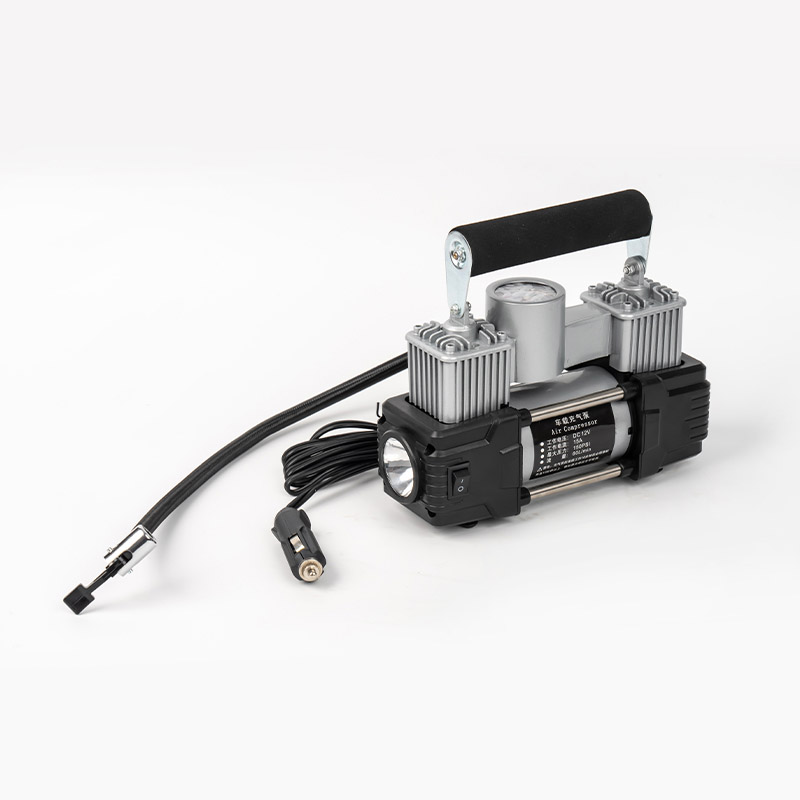
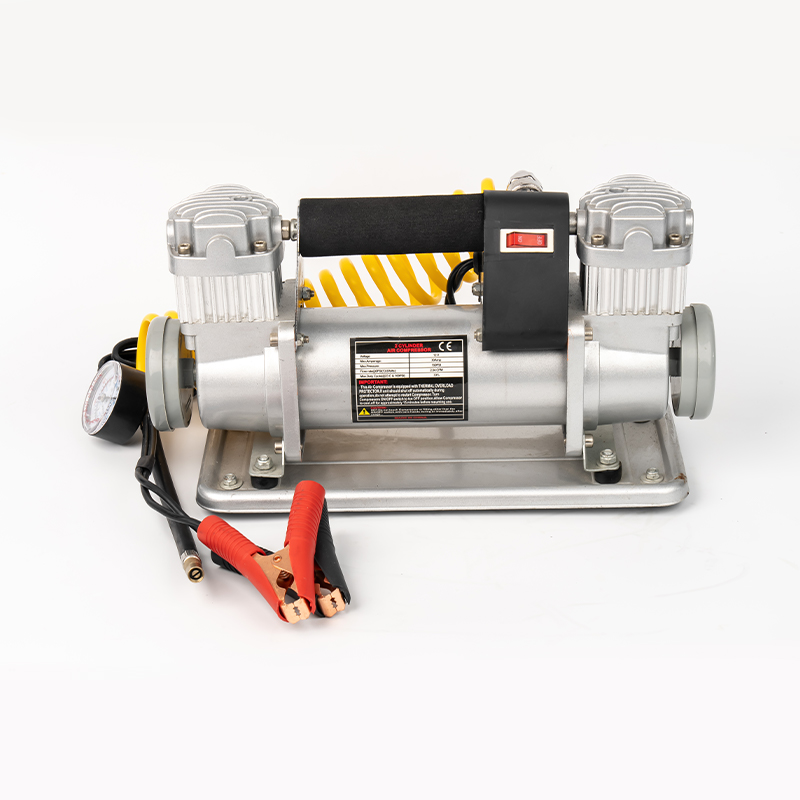
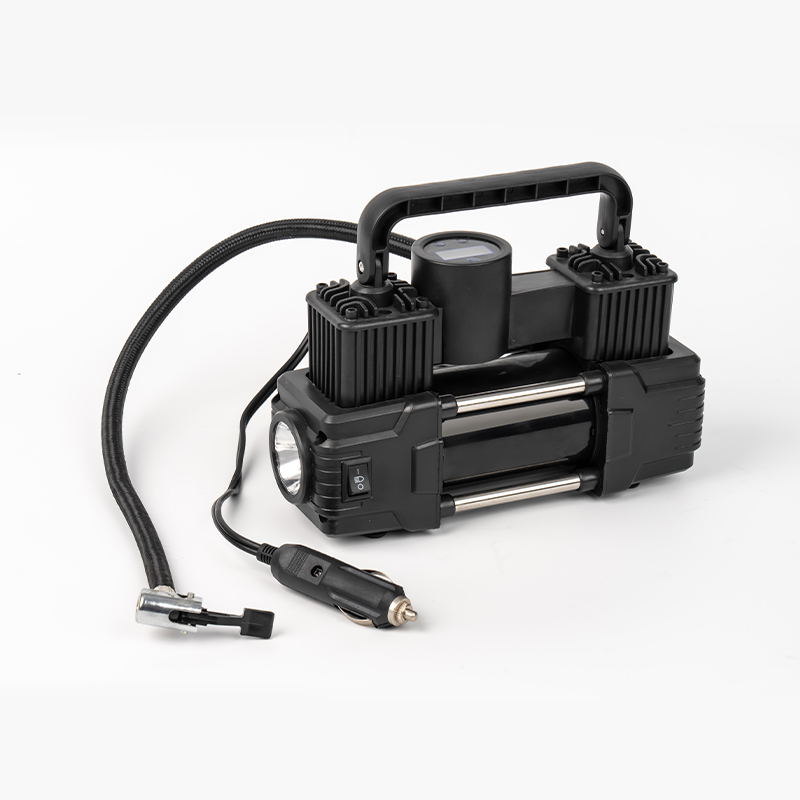
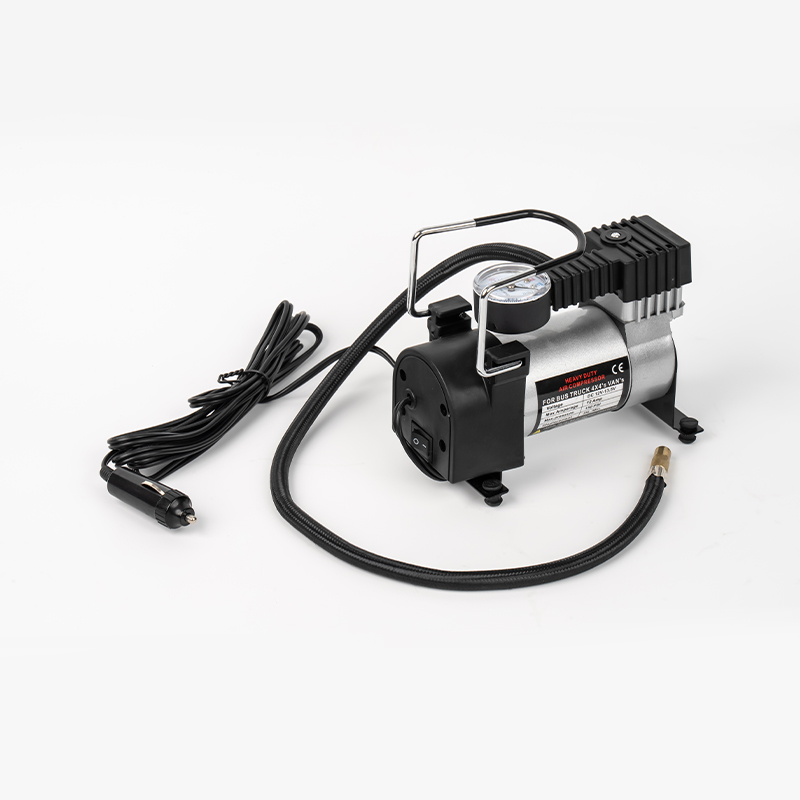
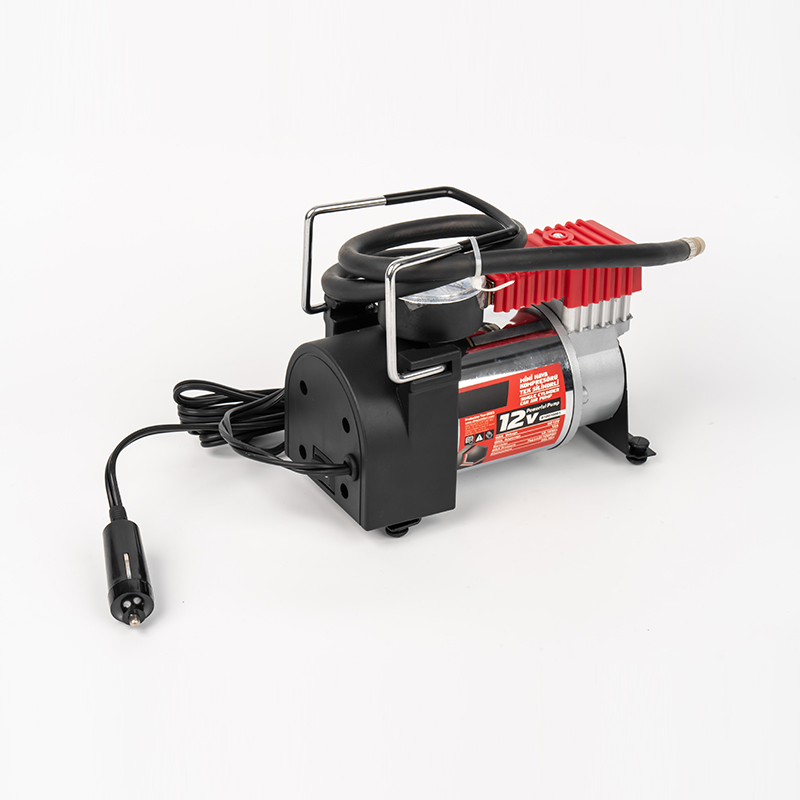
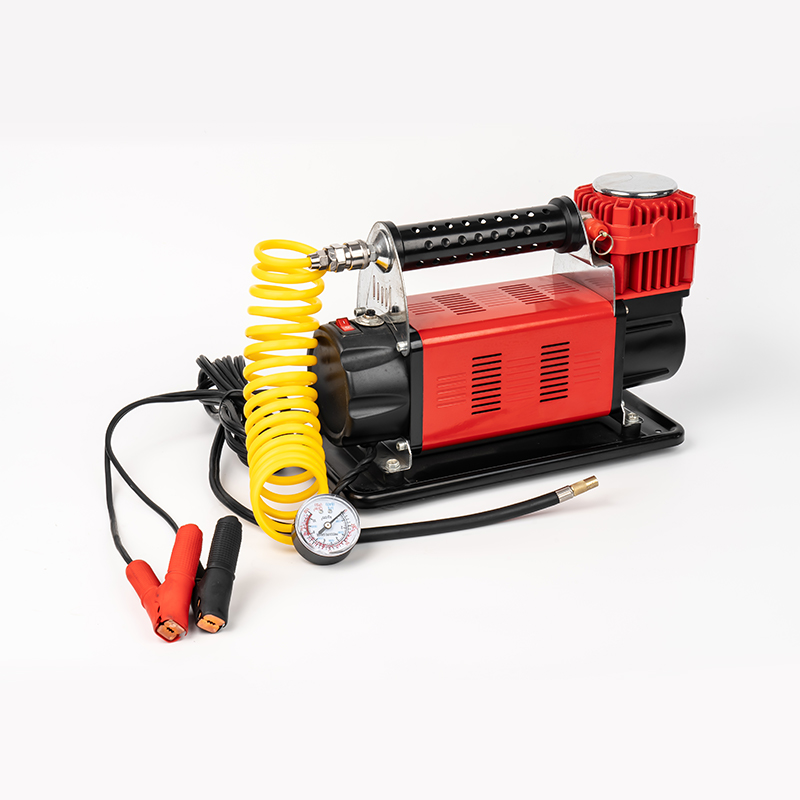
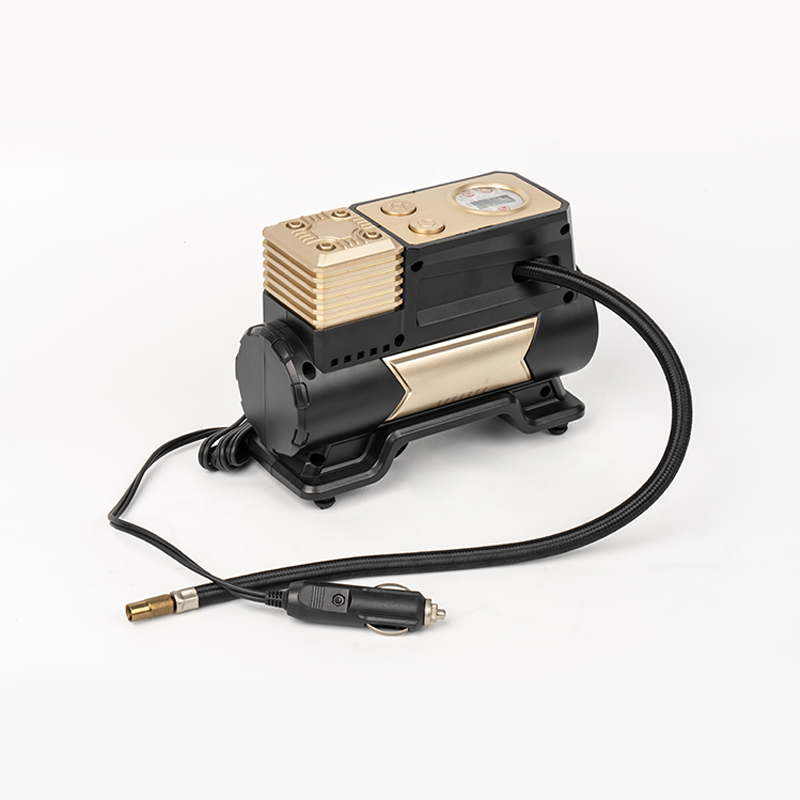
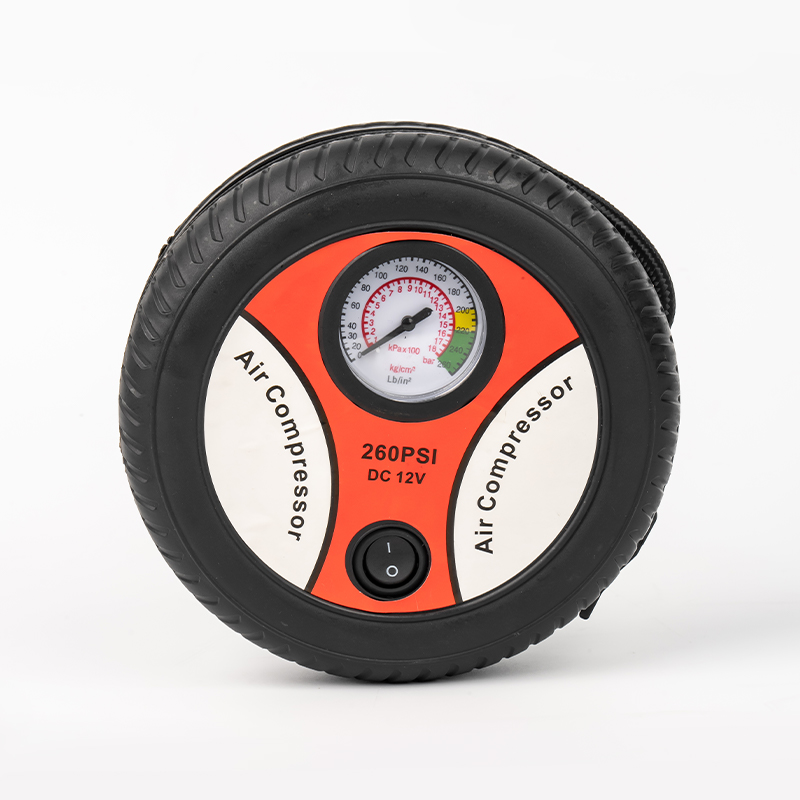
Braitheann an comhbhrúiteoir aeir iniompartha leictreach is fearr duit ar thrí rud: an úsáid atá beartaithe agat (boinn, uirlisí, nó boilsciú), an t-aschur PSI agus CFM atá ag teastáil, agus cibé an dteastaíonn múnla gan sreang nó gan sreang uait. Léigh ar aghaidh le haghaidh miondealú sonraí-tiomáinte de gach ní mór duit fios a bheith agat roimh cheannach.
Cad is Comhbhrúiteoir Aeir Inaistrithe Leictreach ann?
An comhbhrúiteoir aeir iniompartha leictreach is gléas dlúth, mótair-tiomáinte é a chomhbhrúigh aer comhthimpeallach agus a stórálann nó a sheachadann ag ardbhrú. Murab ionann agus comhbhrúiteoirí gás-chumhachta, ritheann samhlacha leictreacha ar chumhacht AC (ó asraon balla) nó cumhacht DC (ó soicéad carr 12V nó ceallraí litiam ionsuite), rud a fhágann go bhfuil siad níos ciúine, níos glaine, agus i bhfad níos áisiúla le húsáid laethúil.
De réir sonraí an tionscail, bhí luach thart ar an margadh domhanda comhbhrúiteoir aeir iniompartha $3.2 billiún in 2023 agus tá sé réamh-mheasta a bhaint amach $4.9 billiún faoi 2030 , á thiomáint den chuid is mó ag éileamh ar aonaid leictreacha éadroma, gan sreang i ndeighleoga feithicleach, feabhsúcháin tí, agus caitheamh aimsire lasmuigh.
Cén fáth a Beat Comhbhrúiteoirí Aeir Inaistrithe Leictreach Múnlaí Gáis don chuid is mó Úsáideoirí
Is fearr le comhbhrúiteoirí aeir iniompartha leictreacha ná roghanna eile atá á gcumhachtú le gás i mbeagnach gach catagóir a bhaineann le húsáideoirí baile agus le gairmithe a oibríonn laistigh nó i dtimpeallachtaí uirbeacha. Seo comparáid dhíreach:
| Gné | Leictreach Inaistrithe | Gás-chumhachta |
| Leibhéal Torainn | 60–78 dB | 85–100 dB |
| Astuithe | nialais (ag an bpointe úsáide) | CO & múch |
| Sábháilte faoi Dhíon | Tá | Níl |
| Cothabháil | Íseal (roghanna saor ó ola) | Ard (ola, spréachphlocóidí) |
| Meáchan (tipiciúil) | 1–15 lb | 40–120 lb |
| Luas Tosaithe | toirt | Éilíonn priming |
| Meán Raon Praghsanna | $25 – $350 | $200 – $2,000 |
Tábla 1: Comparáid taobh le taobh idir chomhbhrúiteoirí aeir iniompartha leictreacha agus comhbhrúiteoirí faoi thiomáint gás thar phríomhmhéadracht feidhmíochta agus inúsáideachta.
Cén Cineál Comhbhrúiteoir Aeir Inaistrithe Leictreach a Dhíth Agat?
Ní léir comhbhrúiteoirí aeir iniompartha leictreacha Cruthaítear cothrom. Braitheann an cineál ceart go hiomlán ar do chás úsáide príomhúil. Tá ceithre phríomhchatagóir ann:
1. Boilsceoirí boinn (12V / DC)
Nascann siad seo isteach i soicéad níos éadroime toitíní 12V do charr nó i mbanc cumhachta iniompartha. Tá siad deartha go sonrach chun boinn cairr, trucail, gluaisrothair agus rothair a inflating. Seachadann an chuid is mó 100–150 PSI agus áiríonn siad tomhas brú ionsuite. Is é an t-am boilscithe tipiciúil le haghaidh bonn caighdeánach cairr (ó 20 PSI go 35 PSI). 3-5 nóiméad . Is fearr do: tiománaithe, comaitéirí, agus feisteáin éigeandála cois bóthair.
2. Boilsceoirí gan sreang / faoi chumhacht ceallraí
Cumhachtaithe ag ceallraí litiam-ian ionsuite (go hiondúil 2,000-6,000 mAh ), cuireann na haonaid seo inaistritheacht iomlán ar fáil gan asraon cumhachta nó soicéad carr a bheith ag teastáil uathu. Is féidir le samhlacha préimhe bonn caighdeánach cairr a insreabhadh laistigh de 4 nóiméad ar aon mhuirear agus láimhseáil amháin 4-6 boinn in aghaidh an mhuirir . Is fearr do: rothaithe, fiontaróirí lasmuigh, agus aon duine a bhfuil boilsciú fíor-neamhcheangailte ag teastáil uathu.
3. Comhbhrúiteoirí AC Umar Beaga (1–6 ghalún)
Plocálann siad seo isteach in asraon caighdeánach tí 110V/120V agus stórálann siad aer comhbhrúite in umar beag, de ghnáth ó 1 go 6 galún . Is féidir leo cumhacht gunnaí ingne, gunnaí stáplacha, agus trealamh airbrush. De ghnáth seachadann comhbhrúiteoir umar 6 galún timpeall 2.6 CFM ag 90 PSI , atá leordhóthanach le húsáid eatramhach leis an chuid is mó de na tairní aeroibrithe. Is fearr do: Úinéirí tí DIY, siúinéirí bailchríocha, agus tascanna ceardlainne beaga.
4. Comhbhrúiteoirí Pancóg / Madra Te (saor ó Ola)
Ainmnithe mar gheall ar a gcruth umar cothrom, cruinn (pancóg) nó sorcóireach (madra te), is iad seo an leibhéal iontrála is mó tóir. comhbhrúiteoirí aeir iniompartha leictreacha do chonraitheoirí agus caitheamh aimsire. Tá siad beagnach go huilíoch saor ó ola, rud a chiallaíonn go bhfuil gá le lubrication cothabhála nialasach. meáchan siad 20-30 lb ar an meán agus is féidir a reáchtáil an chuid is mó a chumadh agus ag críochnú tairní. Is fearr le haghaidh: frámaíocht, díonta, obair bhruite, agus tascanna boilscithe ginearálta.
Sonraíochtaí Buntábhachtacha le Tuiscint Sula gCeannaíonn tú
Má thuigeann tú roinnt sonraíochtaí lárnacha, cuirfear cosc ort an t-aonad mícheart a cheannach. Seo a chiallaíonn gach uimhir go praiticiúil:
- PSI (Punt in aghaidh an orlach cearnach): Is é seo an brú uasta is féidir leis an gcomhbhrúiteoir a bhaint amach. Éilíonn an chuid is mó uirlisí aeroibrithe 70–120 PSI a oibriú. De ghnáth bíonn 30-35 PSI de dhíth ar bhoinn cairr, agus d’fhéadfadh suas le 80 PSI a bheith ag teastáil ó bhoinn trucaile. Tugann comhbhrúiteoir rátáilte ag 150 PSI neart spáis duit.
- CFM (Cosa Ciúbach in aghaidh an nóiméid): Tomhaiseann sé seo sruth aeir — cé mhéad aeir a sheachadann an comhbhrúiteoir go leanúnach. Is é CFM an tsonraíocht is tábhachtaí maidir le huirlisí aeroibrithe a rith. Ní mór nailer bailchríoch tipiciúil thart 0.5 CFM , cé go bhféadfadh gá le grinder bás 4–6 CFM . Déan riachtanas CFM na huirlise a mheaitseáil nó a shárú i gcónaí.
- Méid Umar (Gallons): Stórálann umar níos mó níos mó aeir, rud a ligeann d'uirlisí oibriú níos faide idir timthriallta comhbhrúiteora. Le haghaidh tairneoirí agus stáplóirí, is leor umar 2-6 galún. Le haghaidh uirlisí úsáide leanúnaí mar sanders nó meilte, dírigh ar 20 galún - ach ag an bpointe sin, nach bhfuil aonad a thuilleadh i ndáiríre "iniompartha."
- HP (Cumhacht): Bíonn tionchar ag cumhacht mótair ar chomh tapa agus a athlíonann an umar. Raon aonaid leictreacha iniompartha is mó ó 0.5 go 2.5 HP . Giorraíonn HP níos airde an t-am athshlánaithe ach tarraingíonn sé níos mó amps freisin - deimhnigh toilleadh ciorcaid d'asraonta (tá formhór na gciorcad baile 15A nó 20A).
- Leibhéal Torainn (dB): Tá comhbhrúiteoirí níos ciúine (faoi 70 dB) níos fearr do thimpeallachtaí laistigh agus comharsanachtaí cónaithe. Fógraíonn go leor comhbhrúiteoirí aeir iniompartha nua-aimseartha saor ó ola oibríocht "ultra-chiúin" ag 60–68 dB , beagnach comhionann le gnáthchomhrá.
Conas Comhbhrúiteoir Aeir Inaistrithe Leictreach a Mheaitseáil le Do Chás Úsáide Sonrach
Bain úsáid as an treoir mearthagartha seo chun na sonraíochtaí ceart comhbhrúiteora a shainaithint do na tascanna is coitianta:
| Úsáid Cás | PSI íosta | CFM íosta | Umar Molta | Cineál is Fearr |
| Boilsciú boinn cairr | 100 PSI | N/B | gan umar | 12V / Gan sreang |
| Rothar / liathróidí spóirt | 160 PSI | N/B | gan umar | Inflator gan sreang |
| Críochnaigh nailer / brad nailer | 90 PSI | 0.5–1 CFM | 2–6 gal | Pancóg / Madra te |
| Nailer a chumadh | 100–130 PSI | 2.5–4 CFM | 6 gal | Pancóg (6 gal) |
| Airbrush / péintéireacht | 30–60 PSI | 0.5–1 CFM | gan umar or 1 gal | Aonad AC Mini |
| Slat iarmharta | 90 PSI | 4-5 CFM | 6 gal | Comhbhrúiteoir umar AC |
| Sprinklers ag séideadh amach | 50 PSI | 20 CFM | 20 gal | Aonad fosaithe níos mó |
Tábla 2: Sonraíochtaí molta comhbhrúiteoirí aeir iniompartha leictreacha a mheaitseáil le tascanna coitianta. Bain úsáid as an tábla seo chun an méid PSI, CFM agus umar a theastaíonn ó d’iarratas a shainaithint go tapa.
Ola-Saor in Aisce vs Comhbhrúiteoirí Aeir Inaistrithe Leictreach Ola-Lubricated
I gcás fhormhór mór na n-úsáideoirí, ar comhbhrúiteoir aeir iniompartha leictreach saor ó ola Is é an rogha is fearr. Seo an fáth - agus nuair a bhíonn ola-lubricated ciallóidh ina ionad sin:
Comhbhrúiteoirí Gan Ola: Buntáistí agus Míbhuntáistí
- Cothabháil nialais: Gan ola a sheiceáil, a athrú, nó a dhoirteadh. Níl ort ach plugáil isteach agus úsáid.
- Aon treoshuíomh: Is féidir é a thipeáil, a stóráil ar an taobh nó a iompar gan imní.
- Aschur aeir níos glaine: Níl aon bhaol éillithe ola san aerlíne - ríthábhachtach le haghaidh péinteáil agus feidhmeanna bia-sábháilte.
- Saolré níos giorra: De ghnáth rátáil le haghaidh 500-2,000 uair an chloig úsáide i gcomparáid le 5,000 uair an chloig le haghaidh samhlacha ola-lubricated.
- Níos airde: Cruthaíonn na fáinní Teflon nó níolón a úsáidtear in ionad ola níos mó torann cuimilte.
Comhbhrúiteoirí Ola-Lubricated: Buntáistí agus Míbhuntáistí
- Saolré níos faide: Laghdaíonn ola an fhrithchuimilt go suntasach, ag leathnú shaol seirbhíse na caidéil faoi 2-5x.
- Oibríocht níos ciúine: Maolaíonn lubrication torann caidéil faoi 5-10 dB i go leor samhlacha.
- Cothabháil rialta: Ní mór ola a sheiceáil agus a athrú gach 3 mhí nó 500 uair an chloig oibríochta.
- Ní mór fanacht ina seasamh: Má chlaonann tú comhbhrúiteoir ola-bhealaithe tá baol ann go rachaidh ola isteach sna línte caidéil nó aer.
Bun líne: Roghnaigh saor ó ola le haghaidh iniomparthachta, áise, agus úsáid ócáideach. Roghnaigh ola-lubricated má ritheann tú an comhbhrúiteoir ar feadh uaireanta sa lá i suíomh siopa gairmiúil.
Comhbhrúiteoirí Aeir Inaistrithe Corded vs Gan sreang: Cé acu atá Ceart Duitse?
Comhbhrúiteoirí aeir iniompartha leictreacha gan sreang Tá feabhas mór tagtha ar an dul chun cinn i gceallraí litiam-ian, ach tá buntáistí fós ag samhlacha corda maidir le seachadadh cumhachta marthanach. Seo conas cinneadh a dhéanamh:
| Fachtóir | Corded AC Leictreach | Ceallraí gan sreang |
| Comhsheasmhacht Cumhachta | Tairiseach - gan aon céimnithe | Laghdaíonn sé de réir mar a ídíonn an ceallraí |
| Am Rith | Gan teorainn | 15-45 nóiméad tipiciúil |
| Inaistritheacht | Teoranta ag corda/asraon | Go hiomlán neamhcheangailte |
| Aschur CFM | Níos airde (2–5 CFM) | Íochtarach (0.5–1.5 CFM) |
| Préimh Praghas | Nílne | 30-60% níos costasaí |
| Is Fearr Le haghaidh | Ceardlanna, suíomhanna poist le cumhacht | Barraí díonta, láithreáin iargúlta, gluaisteáin |
Tábla 3: Comhbhrúiteoirí aeir iniompartha leictreacha corda vs. gan sreang i gcomparáid trasna seachadadh cumhachta, inaistritheacht agus luach. Roghnaigh bunaithe ar cá háit agus cé chomh fada a bheidh tú ag obair.
5 Ghné a Scarann Comhbhrúiteoir Aeir Iniompartha Leictreach Mór ó Chomhbhrúiteoir Aeir Meánach
- Múchadh Uathoibríoch (Stad Brú Réamhshocraithe): Stopann comhbhrúiteoirí ardcháilíochta ag teannadh go huathoibríoch nuair a shroicheann siad do PSI réamhshocraithe. Coscann sé seo an ró-bhoilsciú agus ní mór é a bheith ag boilsceoirí bonn. Is minic nach mbíonn an ghné seo ag samhlacha leibhéal iontrála, rud a éilíonn monatóireacht láimhe.
- Taispeáint Brú Digiteach LCD: Is féidir le tomhasairí analógacha a bheith neamhchruinn agus deacair a léamh i gcoinníollacha éadroma íseal. Soláthraíonn taispeáint dhigiteach léamha brú fíor-ama, cruinn, laistigh de go minic ±1 PSI .
- Cosaint ró-ualaithe teirmeach: Gineann úsáid leanúnach teas. Comhbhrúiteoirí le cosaint teirmeach stoptar go huathoibríoch sula dtéann an mótar róthéamh, rud a chosc damáiste buan. Cuardaigh an ghné seo ar mhúnlaí atá beartaithe agat a rith ar feadh tréimhsí fada.
- Cuibheoirí Comhla Uilíoch: A chaighdeán comhbhrúiteoir aeir iniompartha leictreach Ba chóir go n-áireofaí Presta, Schrader, agus cuibheoirí snáthaidí ar a laghad, lena gcumasófar úsáid trasna gluaisteáin, rothair, trealamh spóirt agus bréagáin inséidte.
- Cumhacht Fada / Hose Aeir: Rud ar bith níos giorra ná 10 dtroigh (3 mhéadar) a thiocfaidh chun bheith ina núis phraiticiúil agus boinn á teannadh agat nach féidir leat a bhaint amach go héasca. I measc na múnlaí is fearr tá píobáin chos 15-20 nó luaidhe cábla fada.
Conas Do Chomhbhrúiteoir Aeir Inaistrithe Leictreach a Chothabháil
Síneann cothabháil cheart saol do comhbhrúiteoir aeir iniompartha leictreach agus go gcoimeádann sé ag feidhmiú ag a chumas rátáilte. Lean na céimeanna seo:
- Taosc an umar tar éis gach úsáide (samhlacha umar): Cruinníonn an taise taobh istigh d’umair trí chomhbhrú. Coscann draenáil na comhla draein ag bun meirge agus creimeadh a d'fhéadfadh sláine an umair agus cáilíocht an aeir a chur i mbaol.
- Glan nó cuir an scagaire aeir in áit: Tá scagaire iontógáil beag ag an chuid is mó de na comhbhrúiteoirí iniompartha. Seiceáil é gach 3 mhí; laghdaíonn scagaire clogged aschur CFM agus cuireann sé brú ar an mótar.
- Seiceáil píobáin agus feistis le haghaidh sceitheanna: Is féidir le feistiú píobáin sceite PSI seachadta a laghdú 20–30%. Cuir uisce gallúnaí ar naisc; boilgeoga le fios sceitheadh. Bain úsáid as téip Teflon chun feistis snáithithe a athéalú.
- Stóráil in áit thirim: Is é an taise príomh-namhaid an mhótair agus an umair araon. Ná stóráil do chomhbhrúiteoir in íoslach tais nó leantóir gan aeráil gan é a chosaint i gcás.
- I gcás samhlacha ola-bhealaithe — seiceáil an leibhéal ola go míosúil: Bain úsáid as ach an cineál ola comhbhrúiteora atá sonraithe ag an monaróir. Éillithe nó ola íseal accelerates caitheamh caidéil go suntasach.
Leideanna Sábháilteachta Agus Comhbhrúiteoirí Aeir Inaistrithe Leictreacha á Úsáid
Feidhmíonn comhbhrúiteoir aeir iniompartha leictreach faoi bhrú suntasach. Lean na treoirlínte sábháilteachta seo i gcónaí:
- Ná sáraigh uasráta PSI an chomhbhrúiteora nó na huirlise nasctha riamh. Is féidir le róbhrú a bheith ina chúis le teip píobáin nó réabadh umar.
- Ná dírigh aer comhbhrúite ar dhaoine, ar ainmhithe nó ar bhruscar scaoilte. Fiú ag brú íseal, is féidir le haer comhbhrúite cáithníní a instealladh isteach sa chraiceann nó sna súile.
- Lig don chomhbhrúiteoir fuarú ar a laghad 10 nóiméad tar éis úsáid leathnaithe sula dteagmháil léi an tithíocht mótair.
- Scaoil brú umar i gcónaí sula ndéanann tú cothabháil nó píobáin a dhícheangal.
- Ná rith comhbhrúiteoirí saor ó ola thar a gcuid Timthriall dleachta 50%. (go hiondúil, gan úsáid leanúnach níos mó ná 30 nóiméad in aghaidh na huaire) ach amháin má tá an t-aonad rátáilte go sonrach le haghaidh timthriall dleachta 100%.
Ceisteanna Coitianta Maidir le Comhbhrúiteoirí Aeir Inaistrithe Leictreach
C: Cé chomh fada a mhaireann comhbhrúiteoir aeir leictreach iniompartha?
De ghnáth maireann samhlacha saor ó ola 500-2,000 uair an chloig de úsáid carnach. Is féidir le samhlacha ola-lubricated a shárú 5,000 uair an chloig le cothabháil chuí. Le húsáid sa bhaile ó am go chéile (cúpla uair an chloig in aghaidh na míosa), ba cheart go mairfeadh samhail saor ó ola ar bhuiséad 5-10 mbliana.
C: An féidir liom comhbhrúiteoir aeir iniompartha leictreach a úsáid chun boinn ghluaisteáin a insileadh?
Sea - tá sé seo ar cheann de na húsáidí is coitianta. Ní mór duit comhbhrúiteoir a shroicheann ar a laghad 100 PSI . Níl ach 30-35 PSI de dhíth ar fhormhór na mbonn caighdeánach gluaisteáin, mar sin tá fiú inflator bonn 12V bunúsach níos mó ná in ann. Tá aonad níos cumasaí de dhíth ar bhoinn trucaile a bhfuil 65-80 PSI de dhíth orthu.
C: Cad é CFM maith le haghaidh comhbhrúiteoir aeir iniompartha?
I gcás buntascanna boilscithe, ní bhaineann CFM le hábhar. Le haghaidh uirlisí aeroibrithe: bailchríoch is gá tairní 0.5–1 CFM , is gá nailers fráma 2.5–3.5 CFM , agus wrenches tionchair gá 4-5 CFM . Roghnaigh comhbhrúiteoir i gcónaí le ar a laghad 25% níos mó CFM ná an riachtanas rátáilte d'uirlis chun freastal ar bhuaicéileamh.
C: An bhfuil sé sábháilte comhbhrúiteoir aeir leictreach a fhágáil plugáilte isteach?
Tá an chuid is mó de na comhbhrúiteoirí aeir iniompartha leictreacha nua-aimseartha a bhfuil lasc brú orthu sábháilte le fágáil plugáilte isteach - rothlaíonn siad go huathoibríoch agus as chun brú an umair a choinneáil. Is é an cleachtas is fearr, áfach, díphlugáil a bhaint as nuair nach bhfuil sé in úsáid go gníomhach chun mótar-rothaíocht gan ghá a chosc agus saolré a shíneadh.
C: Cad é an comhbhrúiteoir aeir iniompartha is ciúine atá ar fáil?
Is é an catagóir is ciúine ná an inflator gan sreang brushless , atá in ann oibriú chomh ciúin le 45–55 dB . Maidir le comhbhrúiteoirí umar-stíl, oibríonn samhlacha AC ultra-chiúin atá feistithe le guaillí maolaithe fuaime ag 60–68 dB — inghlactha lena n-úsáid laistigh in aice le comharsana nó cliaint.
C: Cé mhéad leictreachais a úsáideann comhbhrúiteoir aeir iniompartha leictreach?
Tarraingíonn comhbhrúiteoir aeir leictreach iniompartha 1–2 HP tipiciúil 7-15 amp ar chiorcad 120V, ag caitheamh thart 700–1,800 vata ag buaicualach. Ós rud é nach ritheann an mótar go leanúnach (le linn timthriallta athlíonta umar amháin), tá tomhaltas fuinnimh an domhain fíor i bhfad níos ísle - de ghnáth 0.1–0.3 kWh in aghaidh na huaire úsáide.
C: An féidir le comhbhrúiteoir aer leictreach iniompartha uirlisí aeir a reáchtáil an lá ar fad?
Tá an chuid is mó de na samhlacha iniompartha saor ó ola deartha le haghaidh úsáid eatramhach amháin (timthriall dleachta 50% nó níos lú). Le húsáid ghairmiúil an lae ar fad le huirlisí aeroibrithe, beidh múnla ola-bhealaithe uait le rátáil timthriall dleachta 100%, nó comhbhrúiteoir seasta níos mó. Má ritheann tú aonad ró-bheag ar bhonn leanúnach, déanfar an mótar a róthéamh agus a dhó roimh am.
Fíorasc Deiridh: Conas an Comhbhrúiteoir Aeir Inaistrithe Leictreach Ceart a phiocadh
An ceart comhbhrúiteoir aeir iniompartha leictreach an ceann a mheaitseáiltear go beacht le do shreabhadh oibre iarbhír — ní hé an ceann is cumhachtaí ná an ceann is saoire ar an tseilf. Seo é an creat cinnidh aon abairte:
- Má ardaíonn tú boinn go príomha → ceannaigh a inflator boinn gan sreang nó 12V le múchadh uathoibríoch agus 100 PSI .
- Má úsáideann tú tairneoirí bailchríocha nó gunnaí stáplacha ó am go chéile → ceannaigh a Comhbhrúiteoir pancóg saor ó ola 6 galún .
- Más conraitheoir soghluaiste tú gan aon rochtain chumhachta ráthaithe → infheistigh in a comhbhrúiteoir gan sreang gan scuab ag luí leis an gcóras ceallraí atá agat cheana féin .
- Má oibríonn tú uirlisí neomatacha go laethúil i siopa → céim suas go dtí an múnla ola-lubricated le umar 20 galún le haghaidh CFM comhsheasmhach agus timthriall dleachta.
Sula gceannaíonn tú, fíoraigh trí rud i gcónaí: go sáraíonn an PSI an tasc is mó éileamh 20% ar a laghad, go gcomhlíonann an CFM nó go sáraíonn sé riachtanas rátáilte an uirlis is déine, agus go bhfuil an meáchan agus an fhoinse cumhachta ag teacht leis an áit a mbeidh tú ag obair i ndáiríre. Leis na trí bhosca sin a sheiceáil, aon cháilíocht comhbhrúiteoir aeir iniompartha leictreach sa chatagóir cheart freastal ort go hiontaofa ar feadh na mblianta.